

Software Architecture Patterns • 9 pages







Learn software architecture patterns including monolithic, microservices, client-server, and event-driven systems with beginner-friendly explanations, comparisons, benefits, and real-world examples.
If you’re just starting out in software development, the term “software architecture” might sound a bit intimidating. But at its core, it’s simply about how you organize the different parts of your application so they work together smoothly. It’s like deciding the blueprint of a house — where the rooms go, how people move between them, and how the whole thing holds up as it grows.
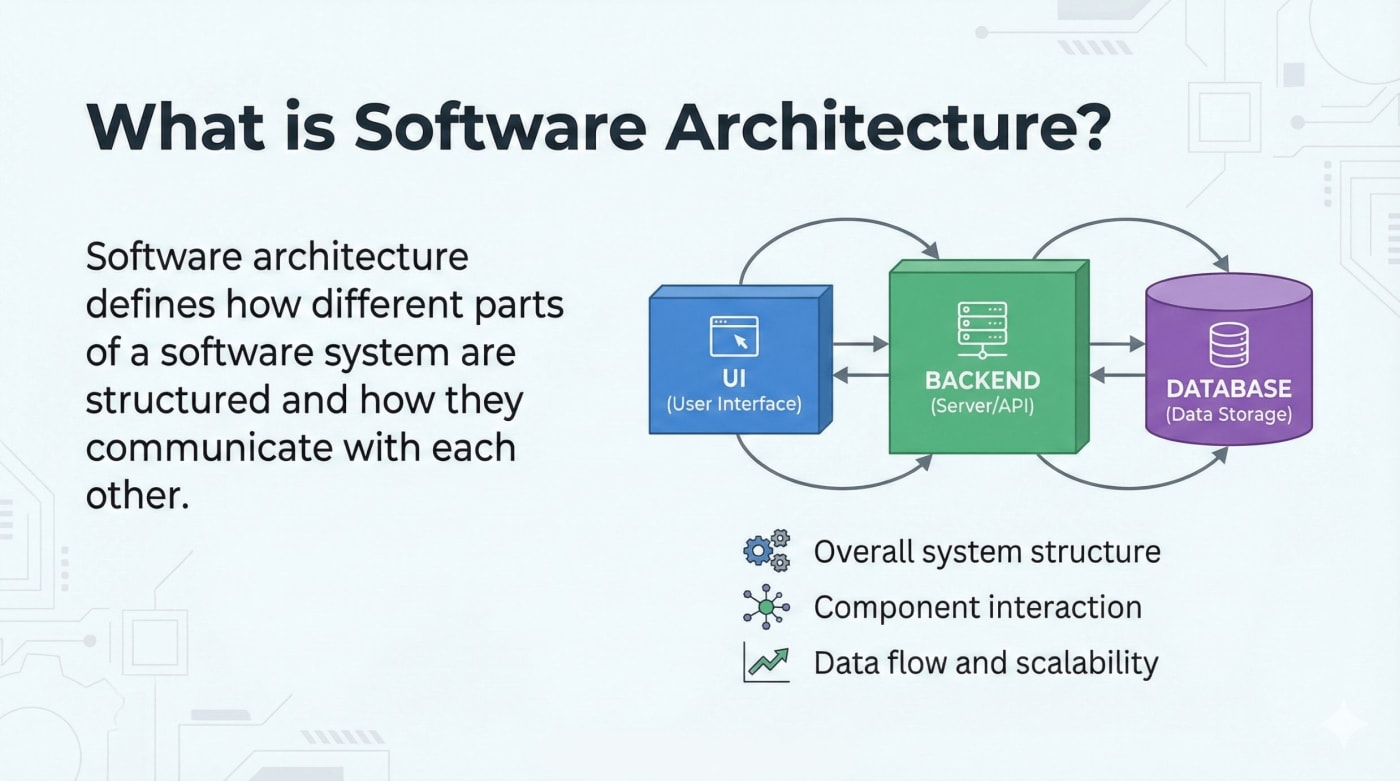
Software architecture defines the overall structure of a system, how its components interact, and how data flows through it. Getting this right early on can save you from massive headaches later.
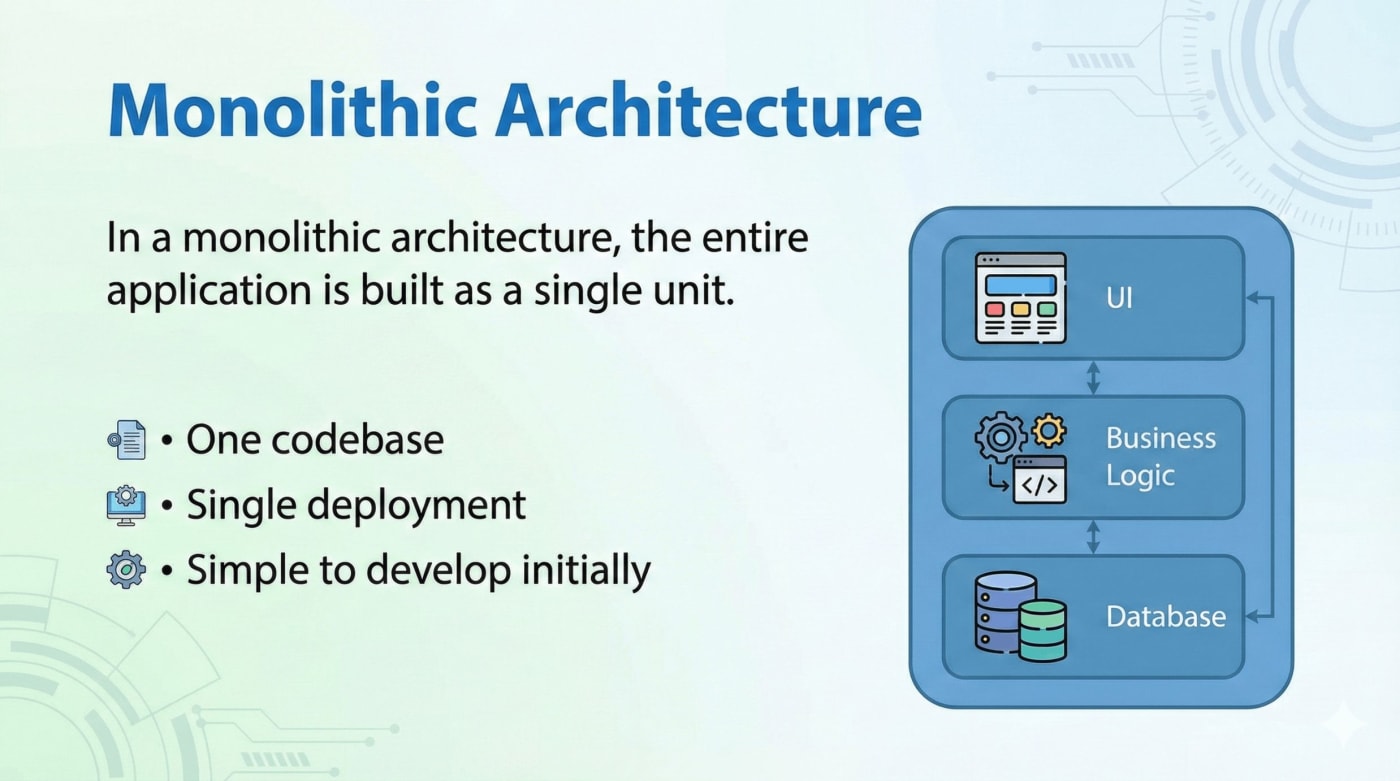
In a monolithic architecture, the entire application is built as one single unit. Everything — the user interface, business logic, and database access — lives in one codebase and gets deployed together.
Pros:
Simple to develop, especially in the beginning
Easy to test and deploy (just one thing to manage)
Cons:
As the app grows, it becomes harder to scale
Even a small change requires redeploying the whole application
Many small blogs, personal projects, and early-stage startups start with a monolith because it’s quick and straightforward.
Microservices take the opposite approach. Instead of one big application, you break it down into small, independent services. Each service has its own job (like user management, payments, or product catalog) and communicates with others when needed.
Pros:
Highly scalable — you can scale only the busy parts
Flexible and easier to maintain in large teams
Each service can use different technologies if required
Cons:
More complex to manage and monitor
Communication between services adds overhead
Big companies like Netflix and Amazon famously use microservices because they need to handle millions of users without everything crashing at once.
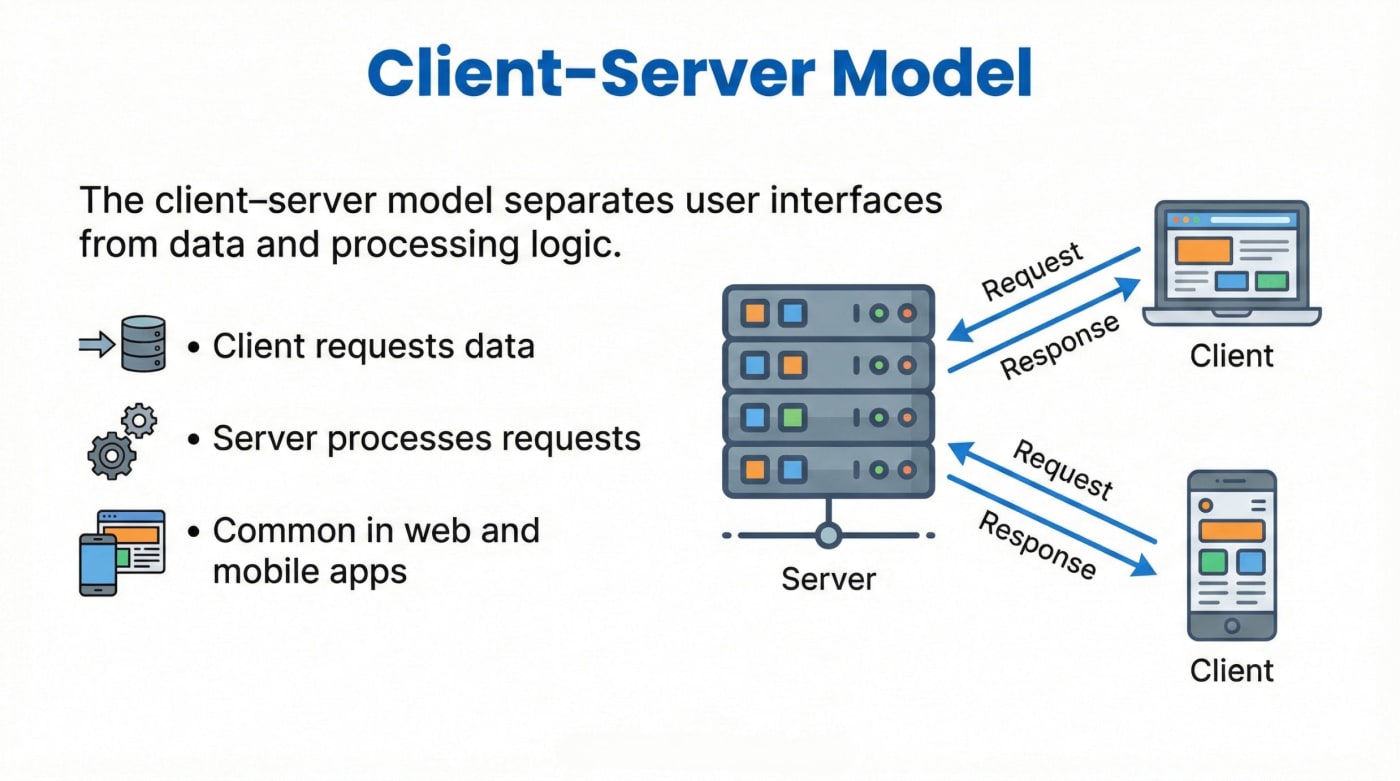
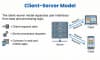
This is one of the most common patterns you’ll see in web and mobile apps. The client (your browser or phone app) sends requests, and the server processes them and sends back responses.
It clearly separates the user interface from the heavy processing and data storage. Almost every website or mobile app you use follows some form of the client-server model.
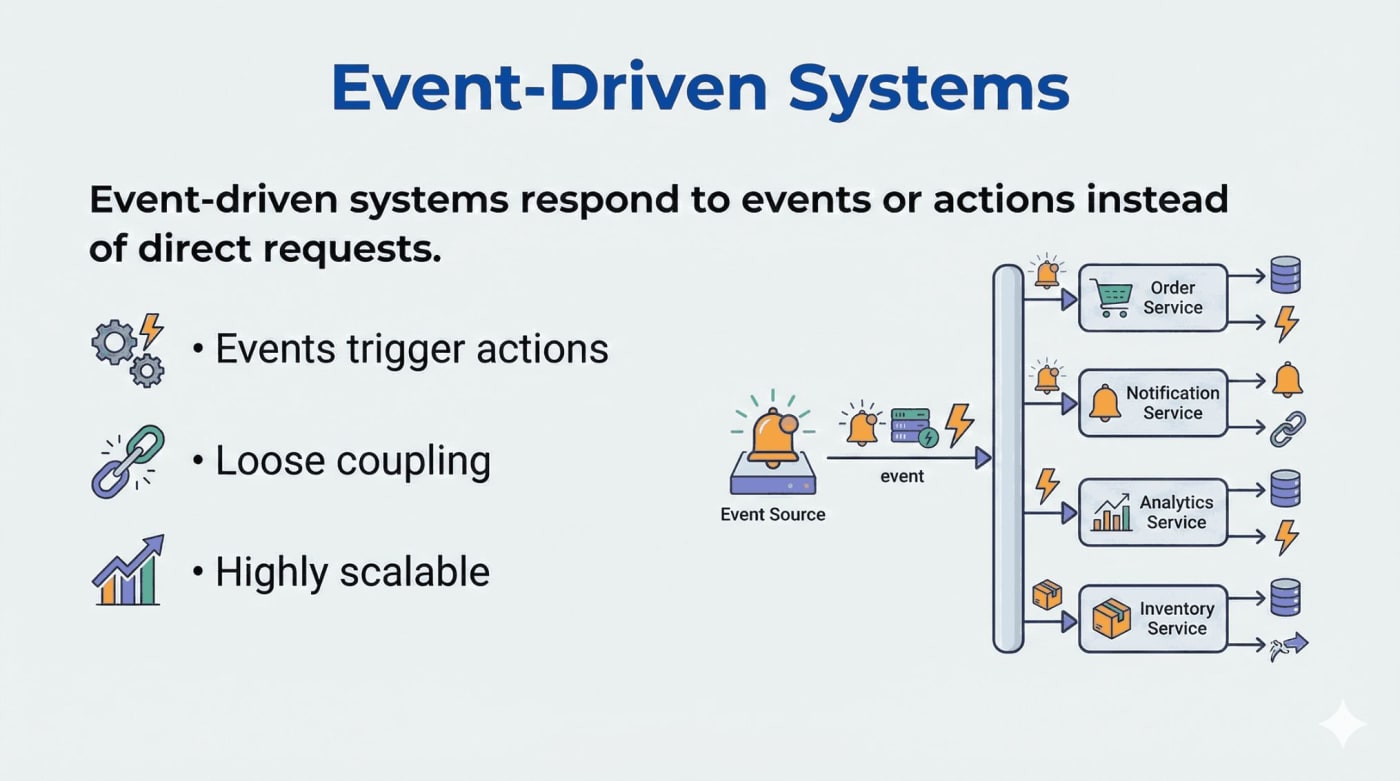
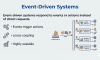
Instead of waiting for direct requests, event-driven systems react to “events” or actions that happen in the application. For example, when a user places an order, an “order placed” event can automatically trigger notifications, update inventory, and start analytics — all without the services directly calling each other.
Key benefits:
Loose coupling between components
Highly scalable and responsive
Great for real-time features
You’ll often see this pattern in notification systems, stock trading platforms, or any system that needs to respond quickly to changes.
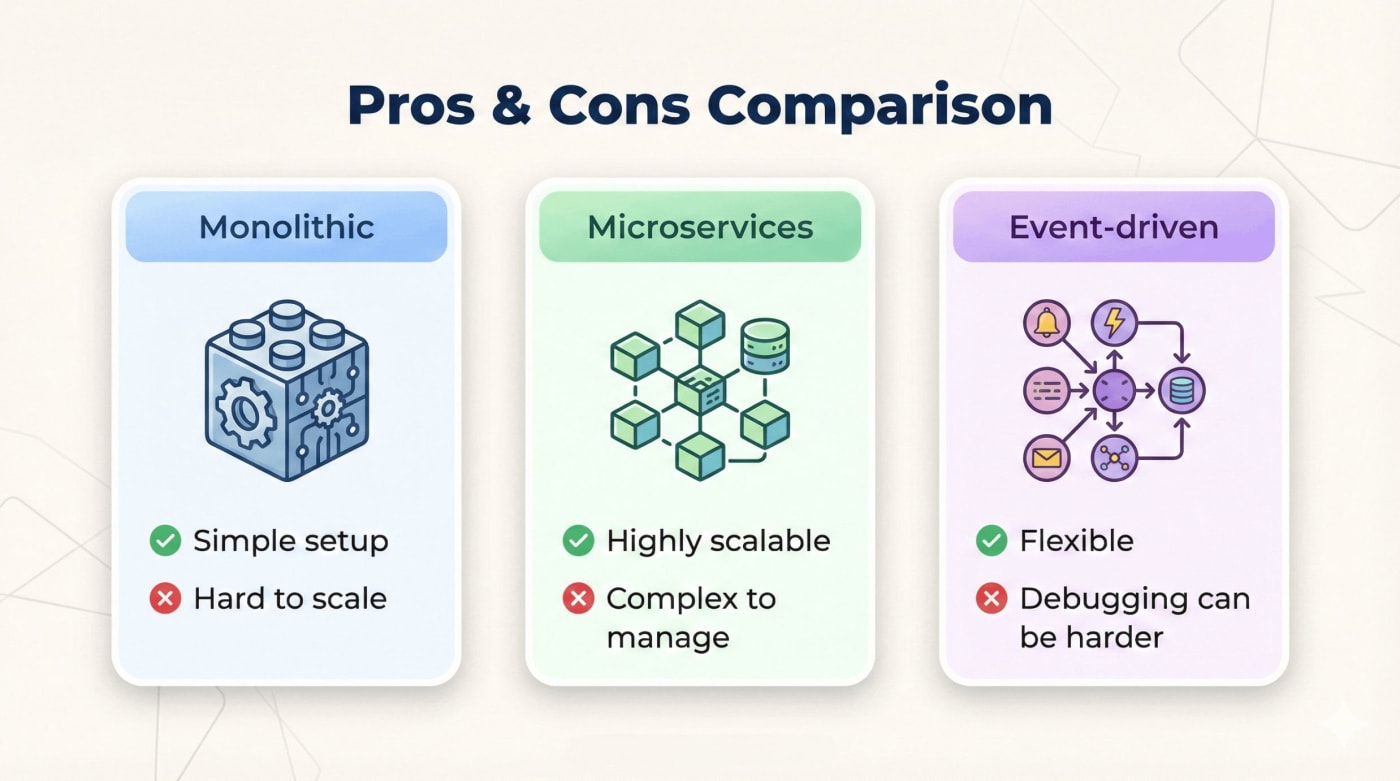
Monolithic: Simple setup ✓ | Hard to scale ✗
Microservices: Highly scalable ✓ | Complex to manage ✗
Event-driven: Flexible and responsive ✓ | Debugging can be trickier ✗
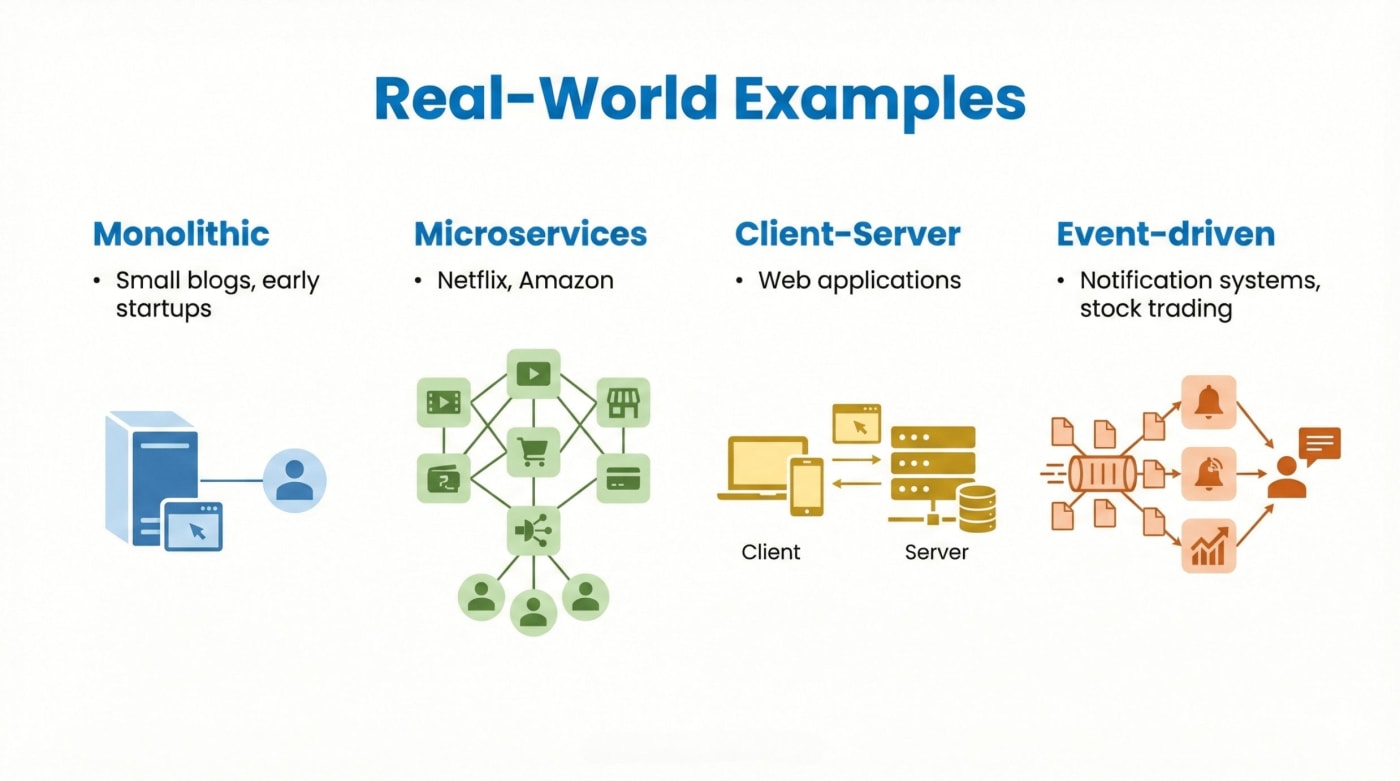
Monolithic: Small personal blogs or early startup MVPs
Microservices: Netflix, Amazon, Uber
Client-Server: Almost every modern web and mobile application
Event-driven: Notification systems, real-time analytics, or stock market apps
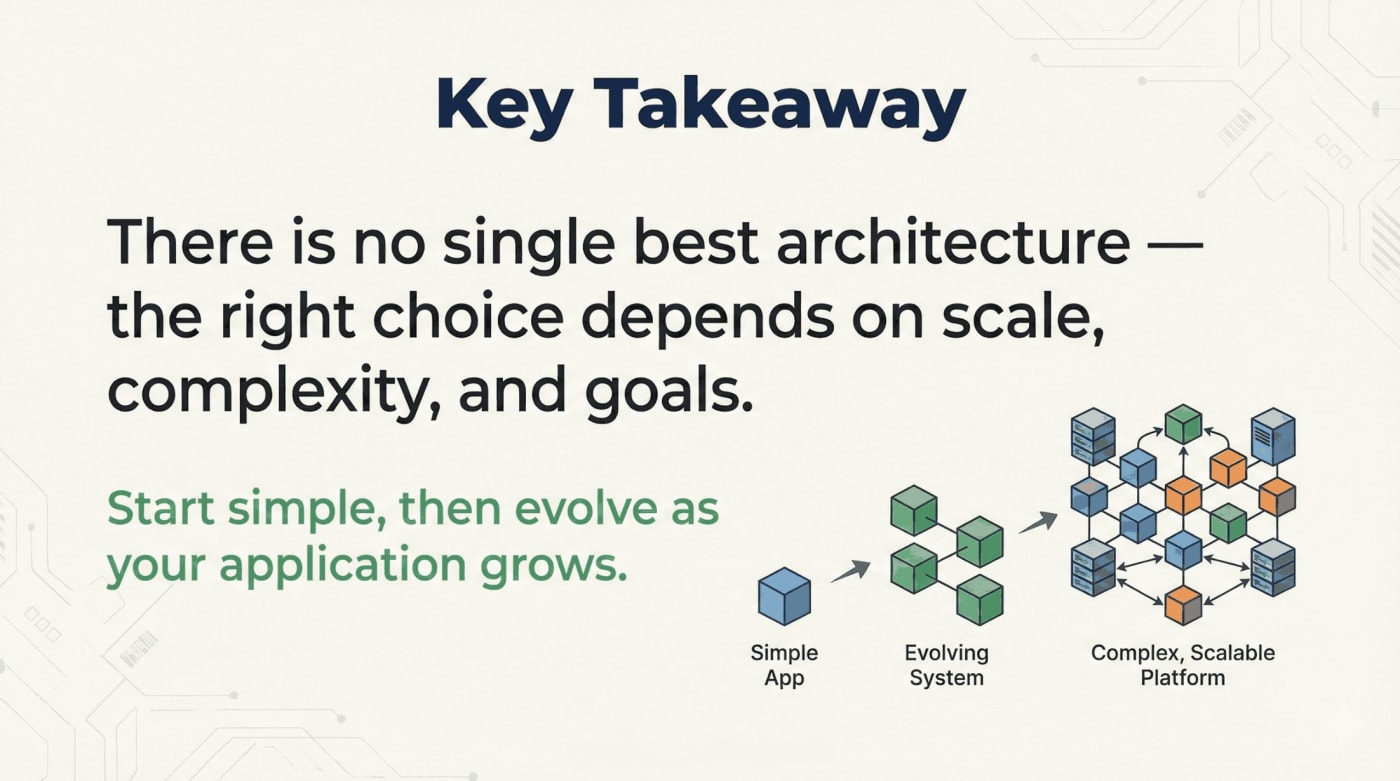
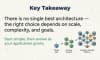
Here’s the truth: There is no single “best” architecture.
The right choice always depends on your project’s size, expected growth, team size, and specific needs. Many successful applications start simple (often as a monolith) and gradually evolve into microservices or event-driven systems as they scale.
Start with what makes sense for your current stage. Keep things simple in the beginning, and be ready to evolve the architecture as your application grows. The best architects aren’t the ones who pick the fanciest pattern — they’re the ones who choose what fits the problem best today, while keeping future growth in mind.

I'm Ayush Kumar, a cross-platform Software Developer.


12 slides • 7 months ago

14 slides • 7 months ago

11 slides • 6 months ago

6 slides • 6 months ago