

API development - Concepts, Types, Design principles, and Testing. • 14 pages














Learn API Development with clear explanations of concepts, types, architecture styles, design principles, security, testing methods, and real-world applications for beginners and developers.
If you've ever wondered how your favorite food delivery app knows exactly where you are, or how your fitness tracker syncs data to your phone, the answer is simple: APIs. These digital connectors are everywhere, yet most people have no idea they exist. For developers and tech enthusiasts, though, understanding APIs isn't just useful—it's essential.
What's an API, Really?
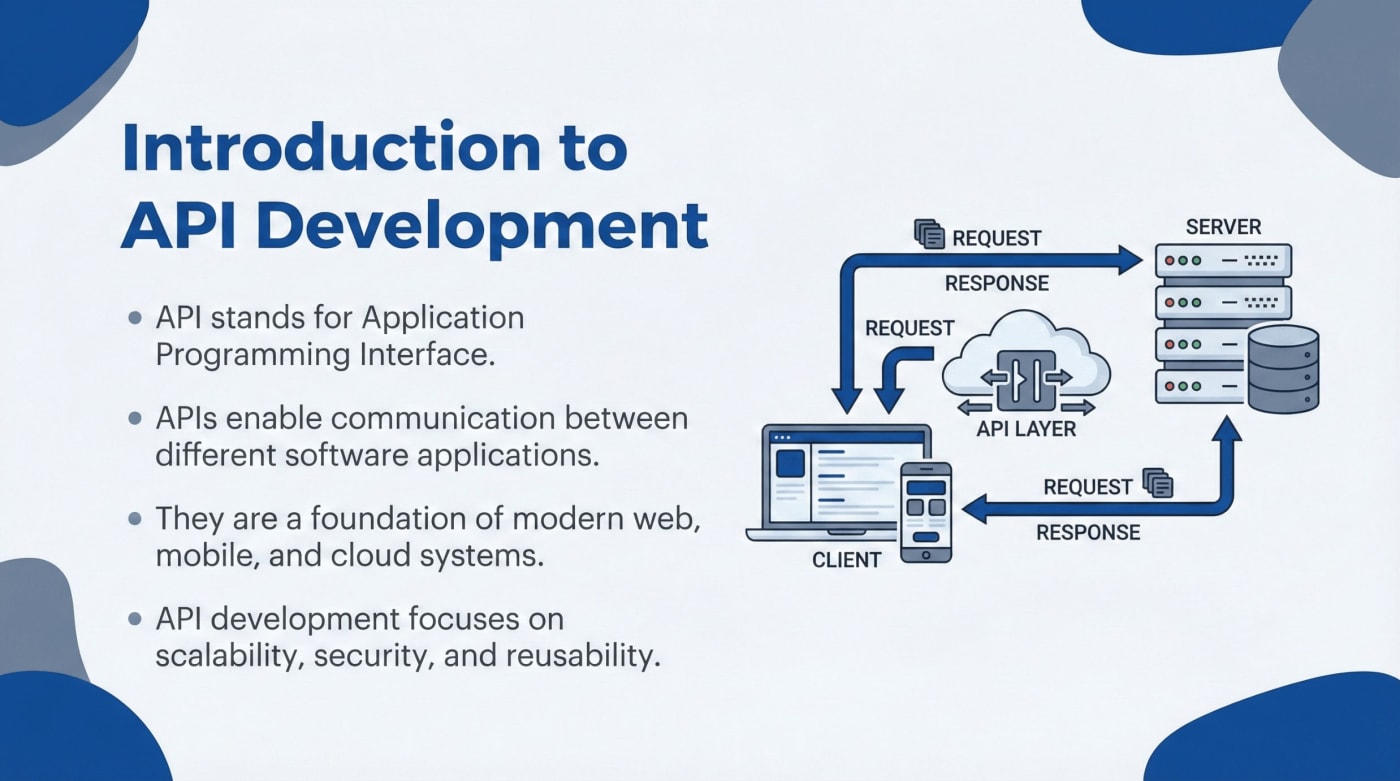
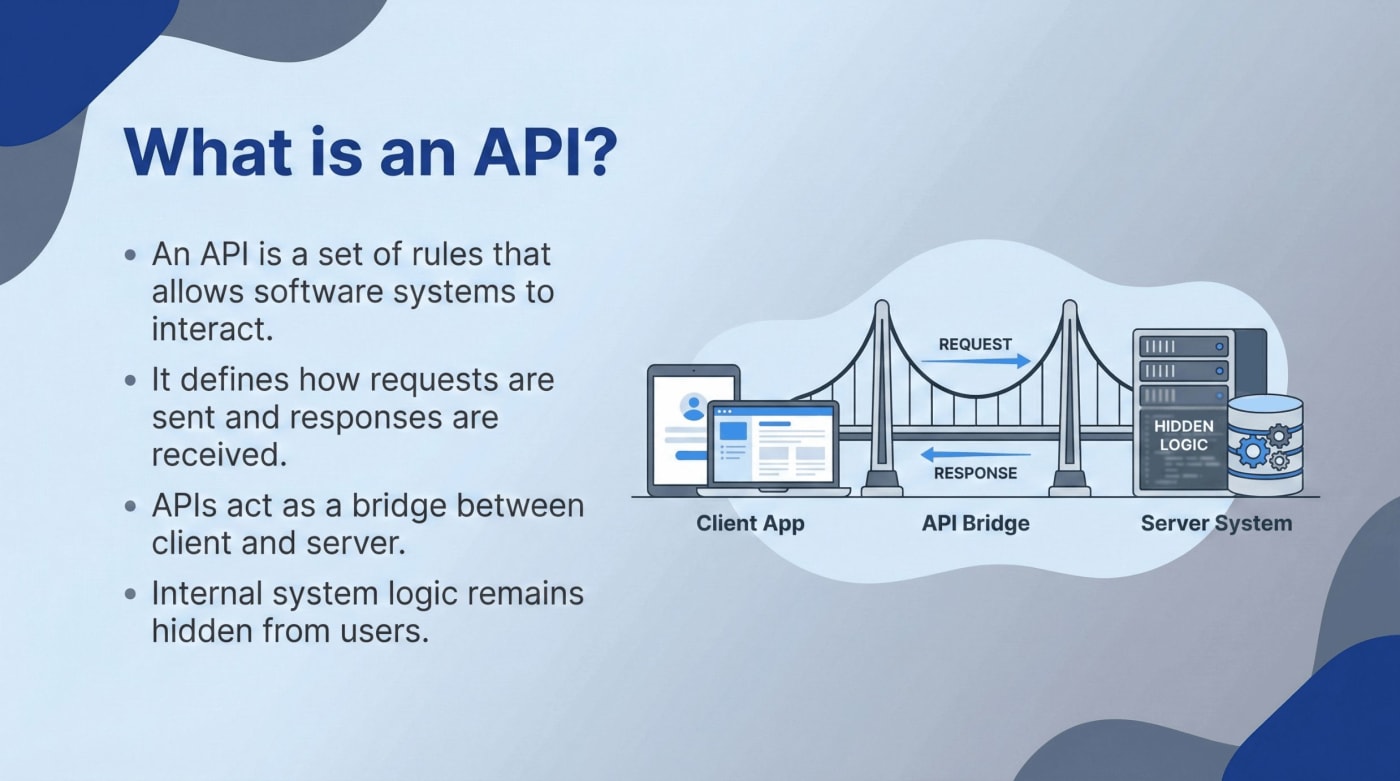
API stands for Application Programming Interface, but let's drop the jargon. Imagine you're at a restaurant. You don't walk into the kitchen and cook your own meal. Instead, you tell the waiter what you want, the kitchen prepares it, and the waiter brings it back to you. That's exactly how APIs work. You (the client app) request something, the API passes that request to the server, and the server sends back what you need—without exposing its internal workings.
This setup keeps things clean, secure, and efficient. The client doesn't need to know how the server does its magic. It just needs the right answer.
Why APIs Matter More Than Ever
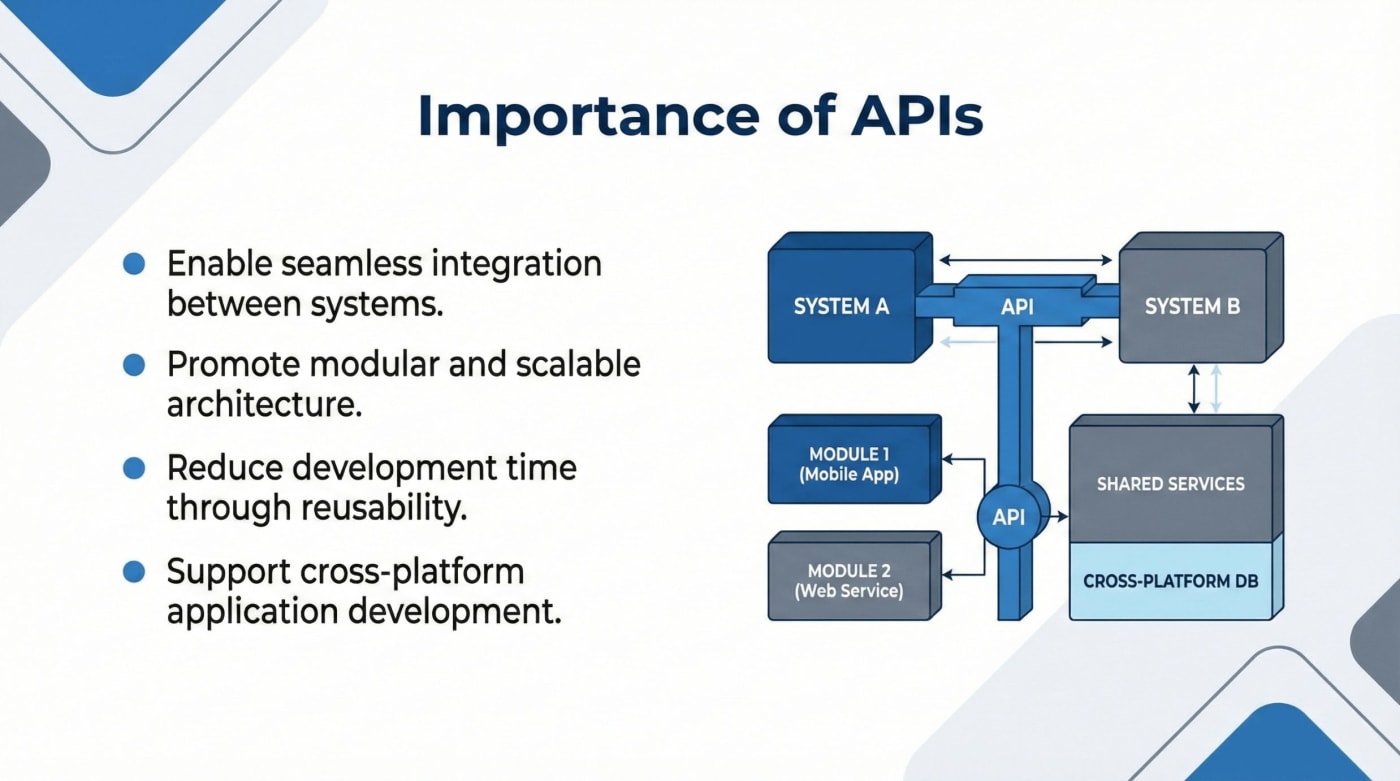
APIs have become the invisible infrastructure of the internet. They allow different software systems to talk to each other seamlessly. Without them, you'd need custom integrations for every single service you use. Want to add a Google Map to your website? There's an API for that. Need to accept payments online? Stripe's API has you covered.
APIs enable seamless integration, promote modular design, reduce development time, and support cross-platform experiences. Instead of reinventing the wheel every time, developers can plug into existing services and focus on building great features.
Different Flavors of APIs
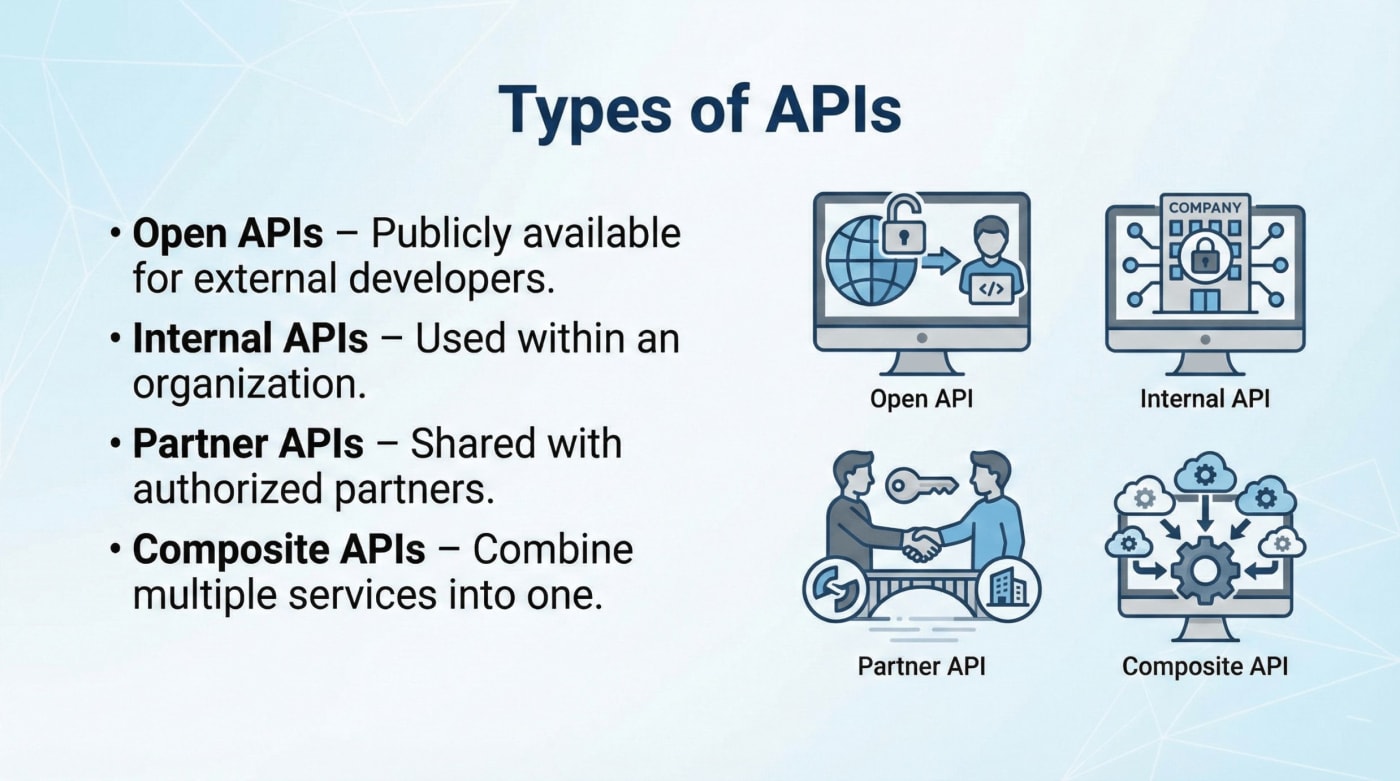
Not all APIs serve the same purpose. Open APIs are available to the public—think Twitter or YouTube. Internal APIs stay within a company, connecting different departments or systems. Partner APIs are shared between businesses under controlled access. And Composite APIs bundle multiple requests into one, saving time and bandwidth.
Each type serves a specific need, and choosing the right one depends on your project's goals and audience.
Choosing the Right Architecture
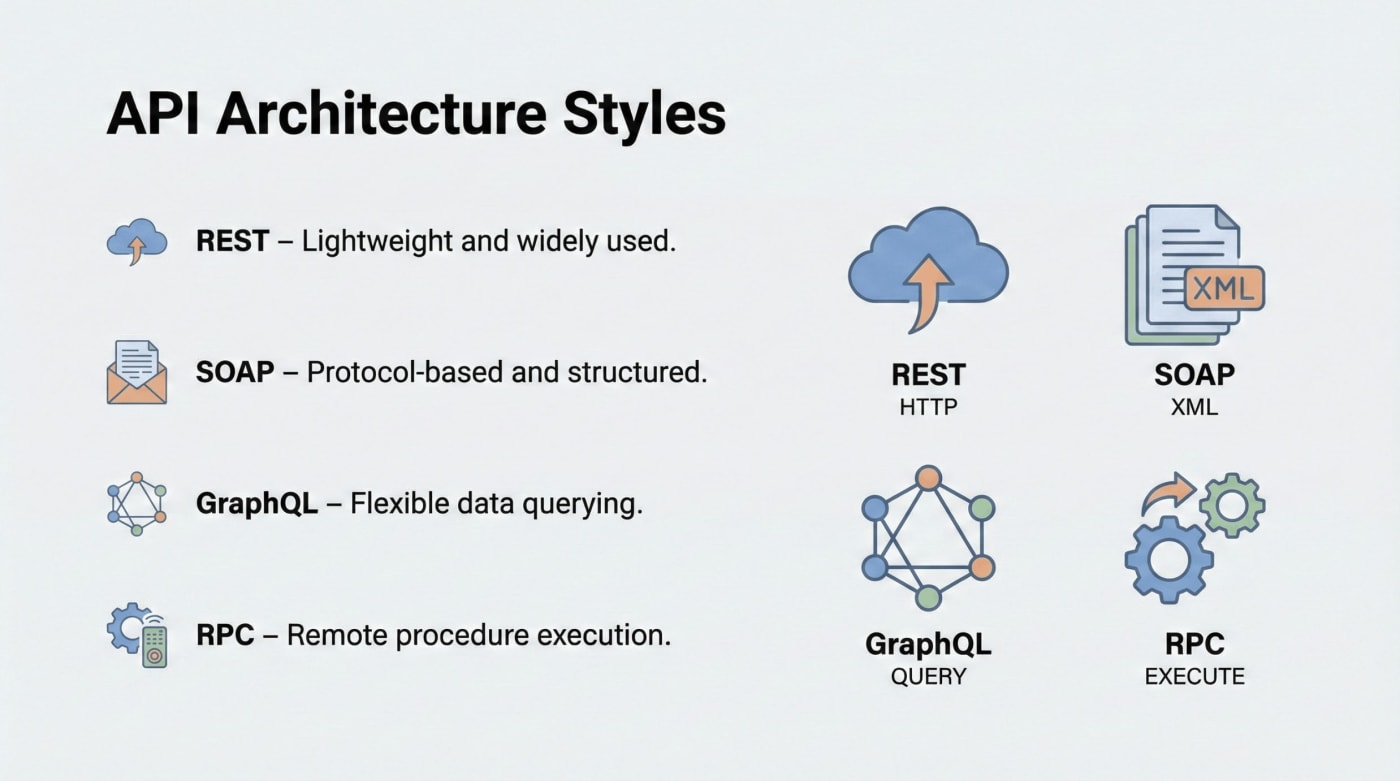
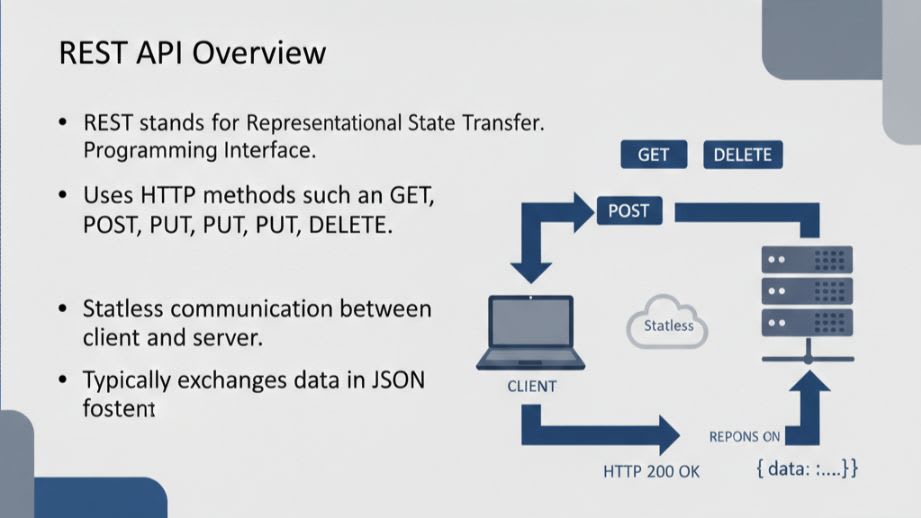
When building an API, developers typically choose from a few popular styles. REST is the most common. It's lightweight, uses standard HTTP methods, and works beautifully with JSON. Most modern web APIs are RESTful because they're simple and scalable.
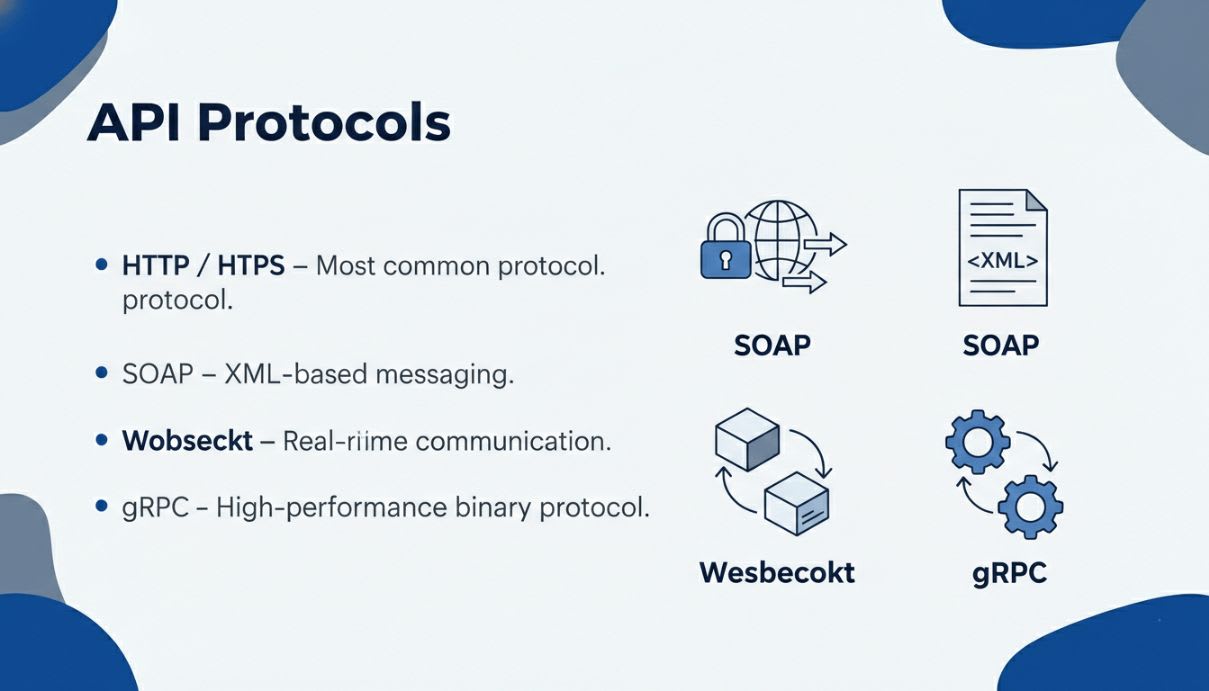
SOAP is older and more structured. It uses XML and includes built-in security features, but it's heavier and less flexible than REST. GraphQL, developed by Facebook, lets clients request exactly the data they need—no more, no less. And RPC focuses on executing specific functions on a remote server, often used in microservices.
Each has its place, and understanding when to use which can make or break your API's performance.
Design Principles That Actually Matter
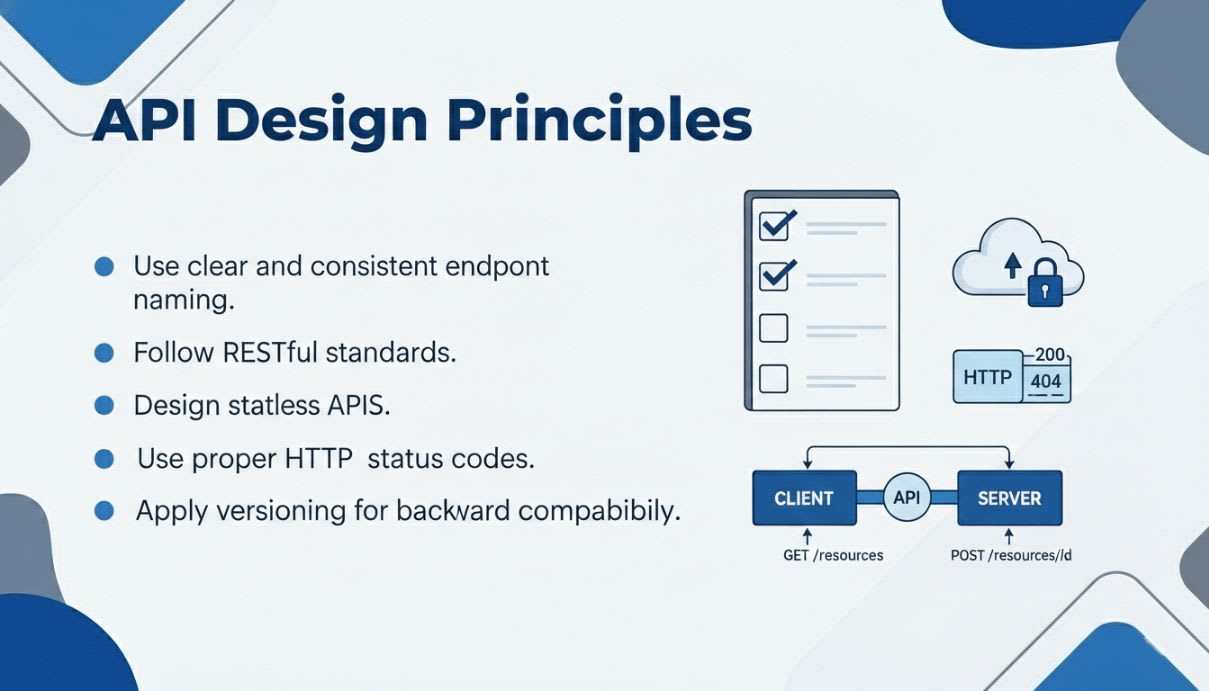
A well-designed API feels intuitive. Endpoints should have clear, consistent names. For example, /users is better than /getAllUserData. Following RESTful standards keeps things predictable. APIs should be stateless—meaning each request is independent. And always use proper HTTP status codes. A 200 means success, 404 means not found, and 401 means unauthorized. These details might seem small, but they make a huge difference in developer experience.
Versioning is also critical. As your API evolves, older versions need to keep working so you don't break existing apps. Something as simple as /v1/users and /v2/users can save you a ton of headaches.
Security Can't Be an Afterthought
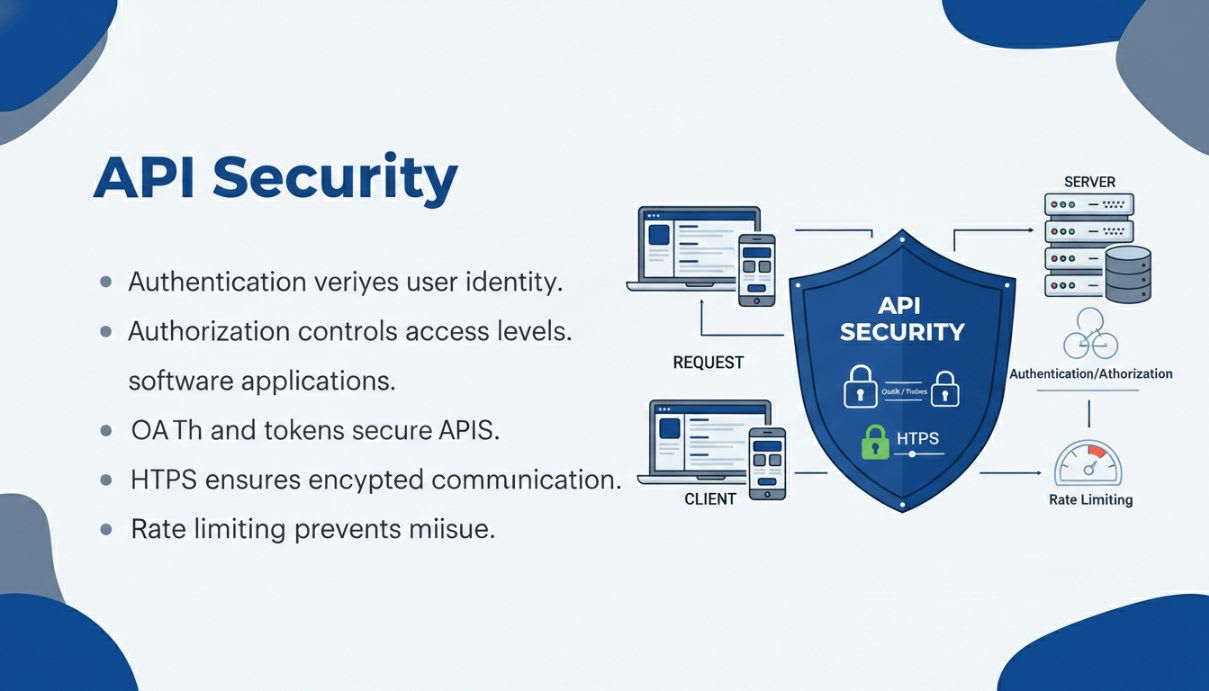
APIs are gateways to your data, which makes them prime targets for attackers. Authentication verifies who's making the request. Authorization decides what they're allowed to do. Using OAuth tokens, enforcing HTTPS, and implementing rate limiting are all non-negotiable practices.
Skipping security isn't just risky—it's reckless.
Testing, Documentation, and Real-World Use
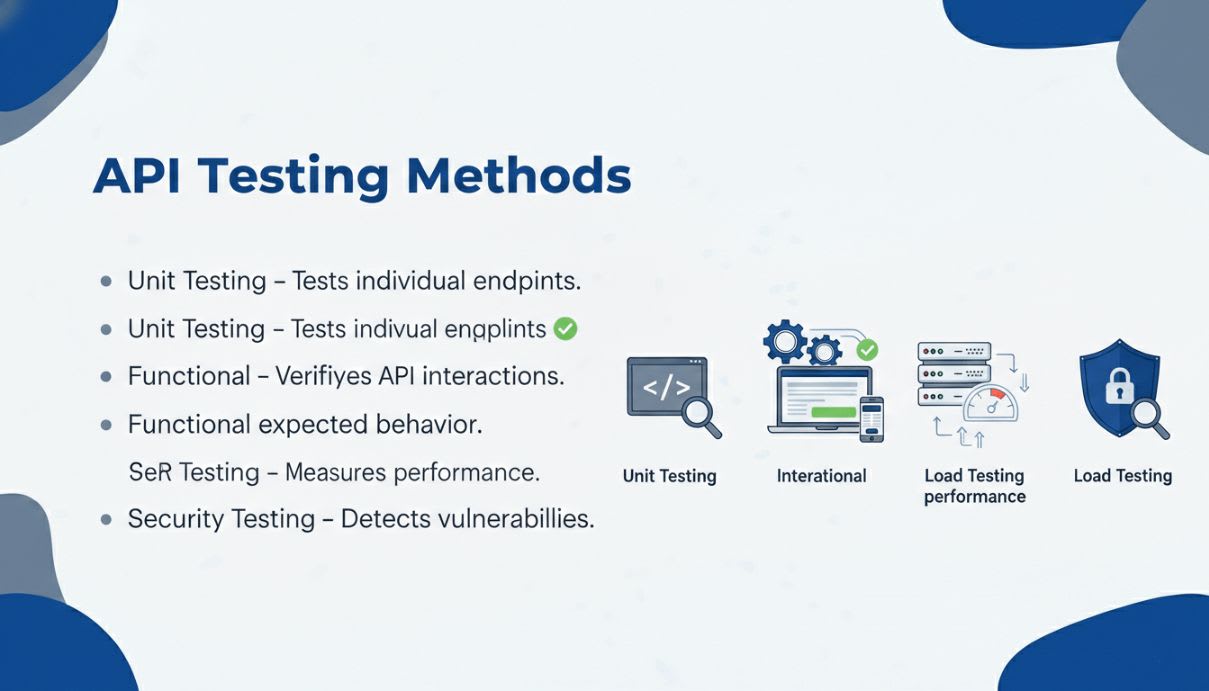
Before you launch an API, test it thoroughly. Unit tests check individual endpoints. Functional tests verify behavior. Load tests ensure it can handle traffic. Security tests look for vulnerabilities.
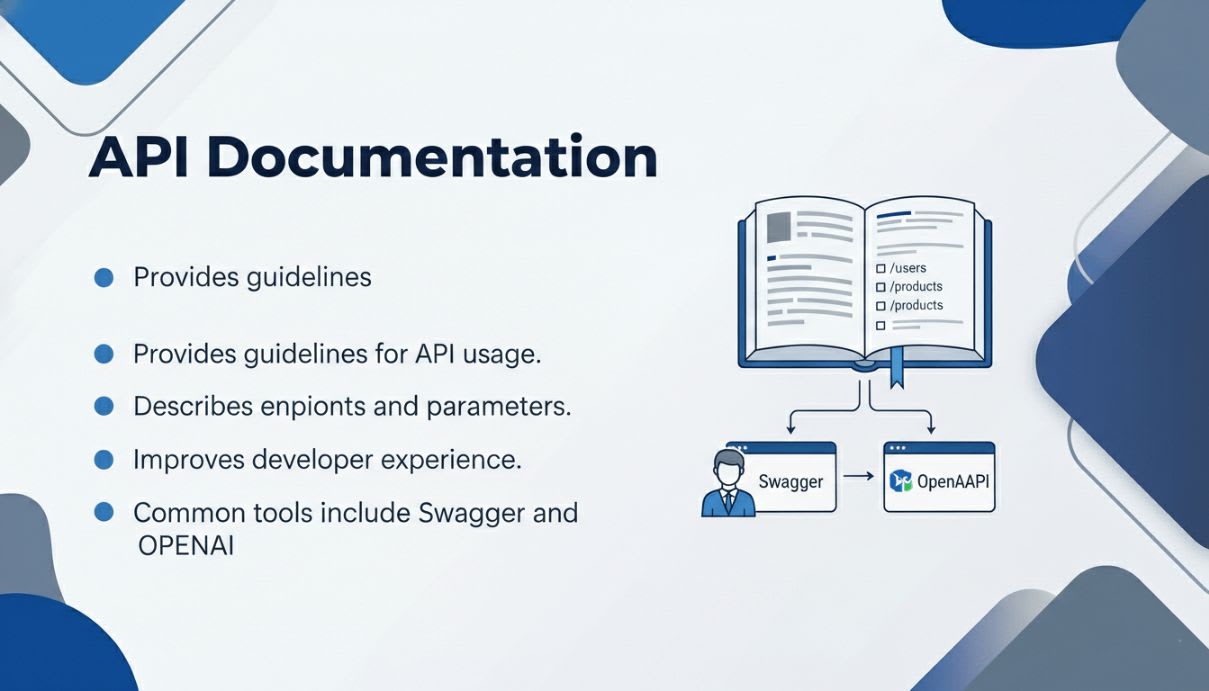
And don't forget documentation. Even the best API is useless if developers can't figure out how to use it. Tools like Swagger make it easy to create interactive, readable docs that help others get up and running quickly.
The Bottom Line
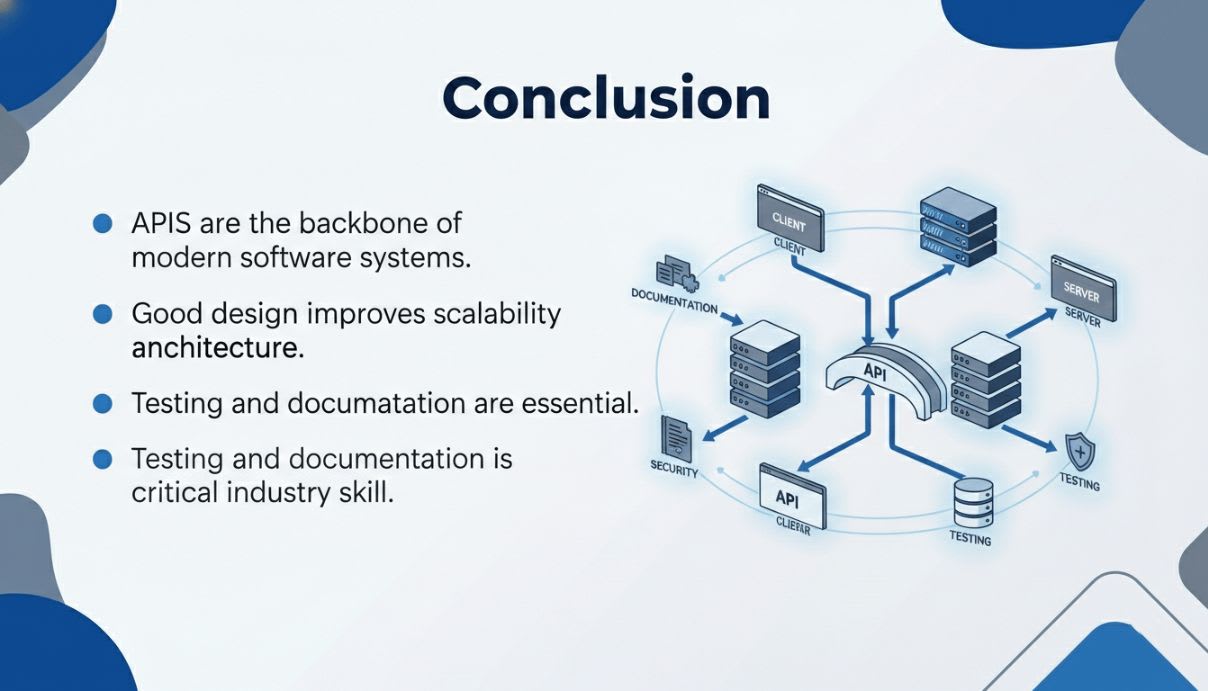
APIs are the unsung heroes of modern software. They connect apps, enable innovation, and power the digital experiences we rely on every day. Whether you're building a small side project or architecting a massive platform, solid API development skills will always be in demand. Understanding the concepts, choosing the right architecture, following good design principles, securing your endpoints, and maintaining proper testing and documentation—these aren't just best practices. They're the foundation of great software.

I'm Ayush Kumar, a cross-platform Software Developer.


12 slides • 7 months ago

9 slides • 7 months ago

11 slides • 6 months ago

6 slides • 6 months ago