

DNA Replication Explained – Simple Biology Notes for Science & Medical Students • 16 pages









Easy notes on DNA replication explaining the steps, enzymes, and mechanism of genetic duplication. Useful for biology, medical, and nursing students for quick understanding and exam revision.
DNA REPLICATION
by M K Patra
Inside every living cell exists a quiet moment of preparation before life continues forward. This moment is known as DNA replication—a precise biological process through which the genetic blueprint of a cell is copied so that new cells can inherit the same instructions for life.
DNA carries the coded information that determines structure, function, and continuity in living organisms. When a cell prepares to divide, this information cannot be divided randomly; it must be reproduced with remarkable accuracy. Replication therefore works like a careful molecular reading process, where the original DNA strand guides the creation of a new complementary strand.
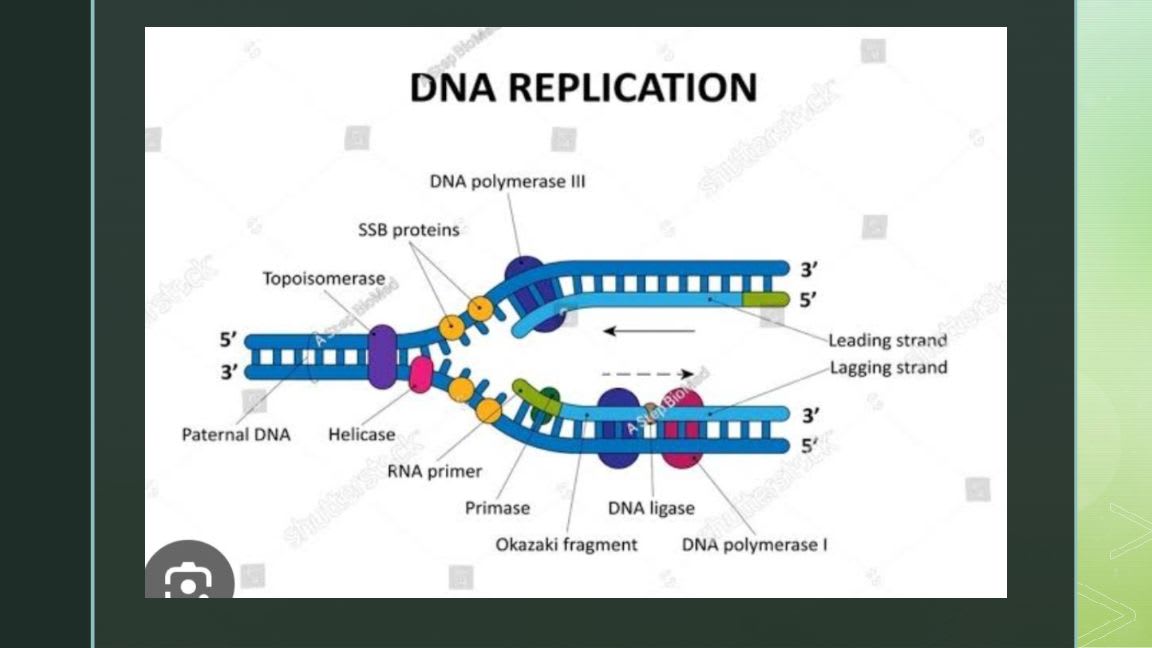
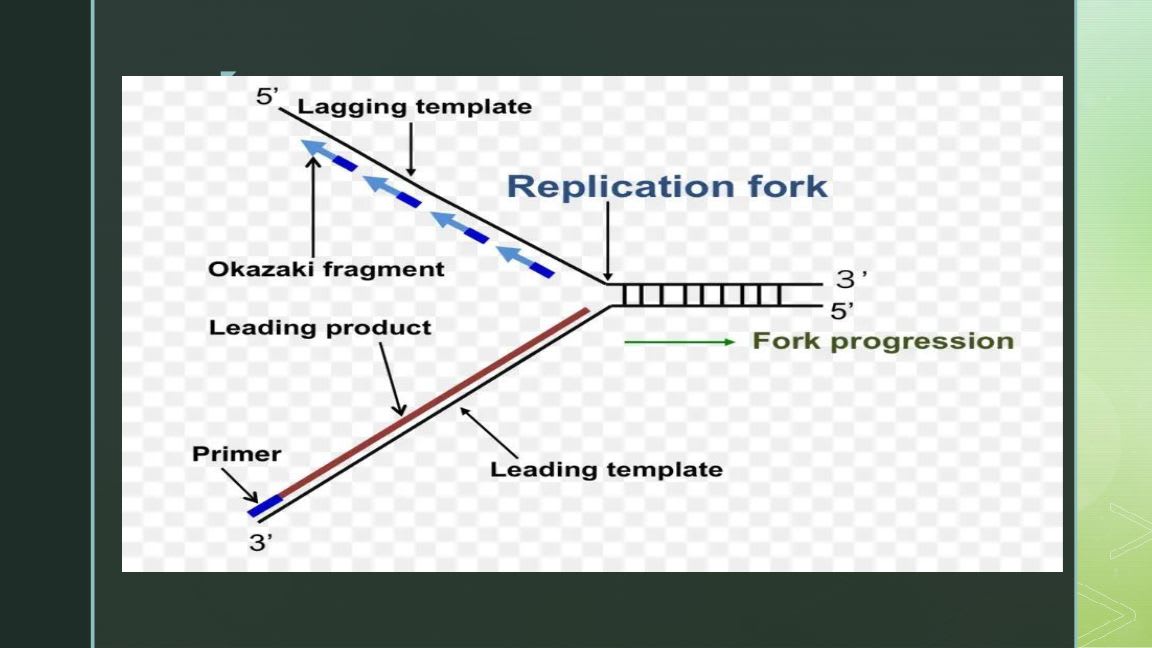
The double-helical structure of DNA temporarily separates, revealing two strands that serve as templates. Specialized enzymes then begin their work. Some unwind the tightly coiled structure, others add matching nucleotides, and still others check the sequence to maintain precision. Through this coordinated activity, a new copy of DNA gradually emerges beside the original.
What makes replication extraordinary is its reliability. Billions of cells in the human body replicate their DNA every day, preserving the genetic message that maintains life. Even the smallest error can influence cellular behavior, which is why the replication process is tightly regulated and supported by multiple proofreading mechanisms.
For students of science and medicine, DNA replication represents more than a biochemical event. It illustrates how life protects its own continuity—copying its genetic memory again and again so that growth, repair, and reproduction remain possible.
In this silent duplication of genetic code lies one of the most elegant mechanisms of living systems: life ensuring that its instructions are never lost.

Lecture in Botany


14 slides • 7 months ago

35 slides • 6 months ago

1 slides • 6 months ago

1 slides • 5 months ago