

Anther Wall and Its Functions – Tapetum, Endothecium & Pollen Development • 14 pages
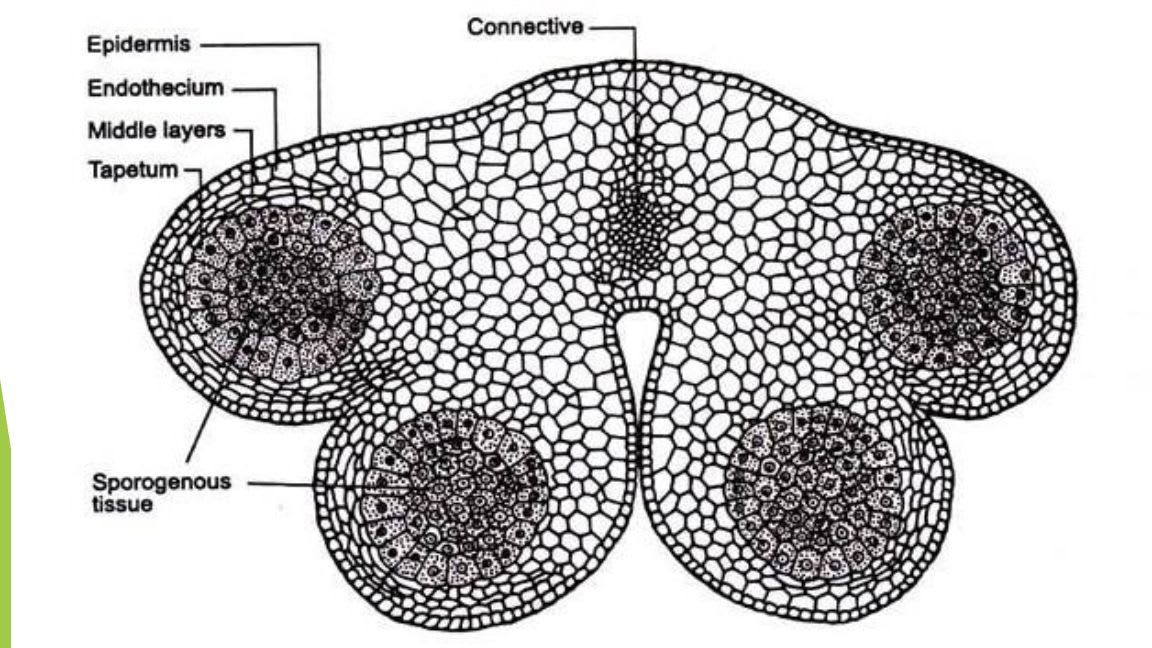







Study the structure and functions of the anther wall, including its four layers and their role in microspore formation and pollen maturation. Useful for biology a students.
ANTHER WALL AND ITS FUNCTIONS
by M K Patra
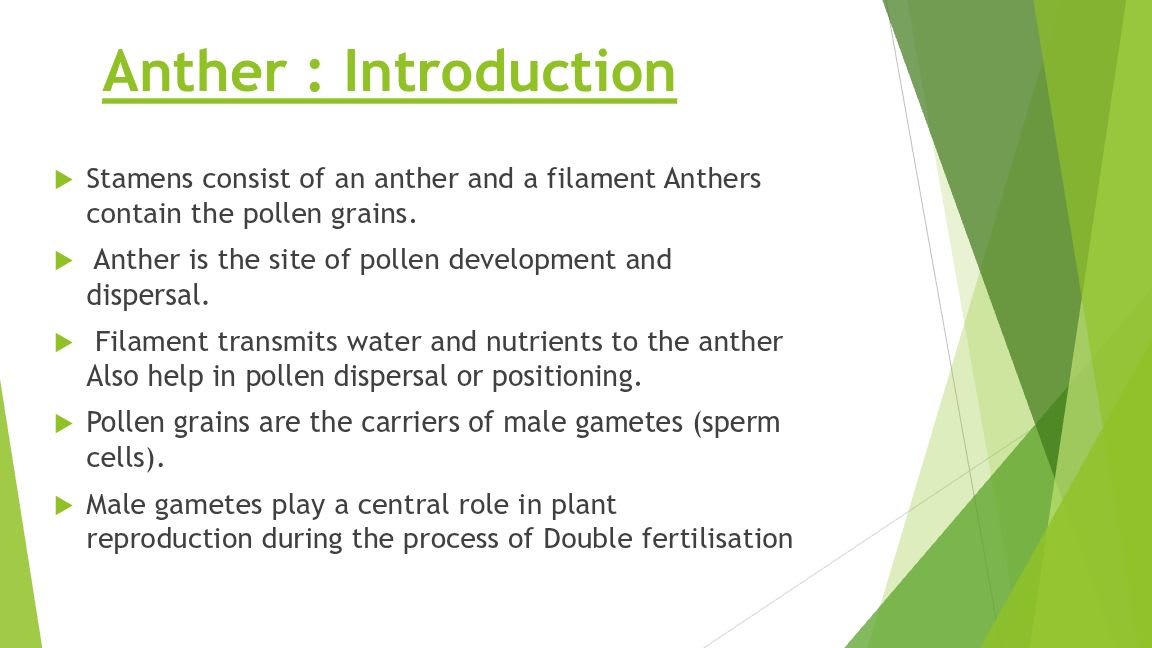
The anther represents a highly specialized reproductive structure in angiosperms, where the formation and maturation of male gametophytes occur within a precisely organized microenvironment. The anther wall is not merely a protective covering; it is a dynamic, multilayered system that regulates microspore development through structural support, biochemical activity, and nutrient mediation.
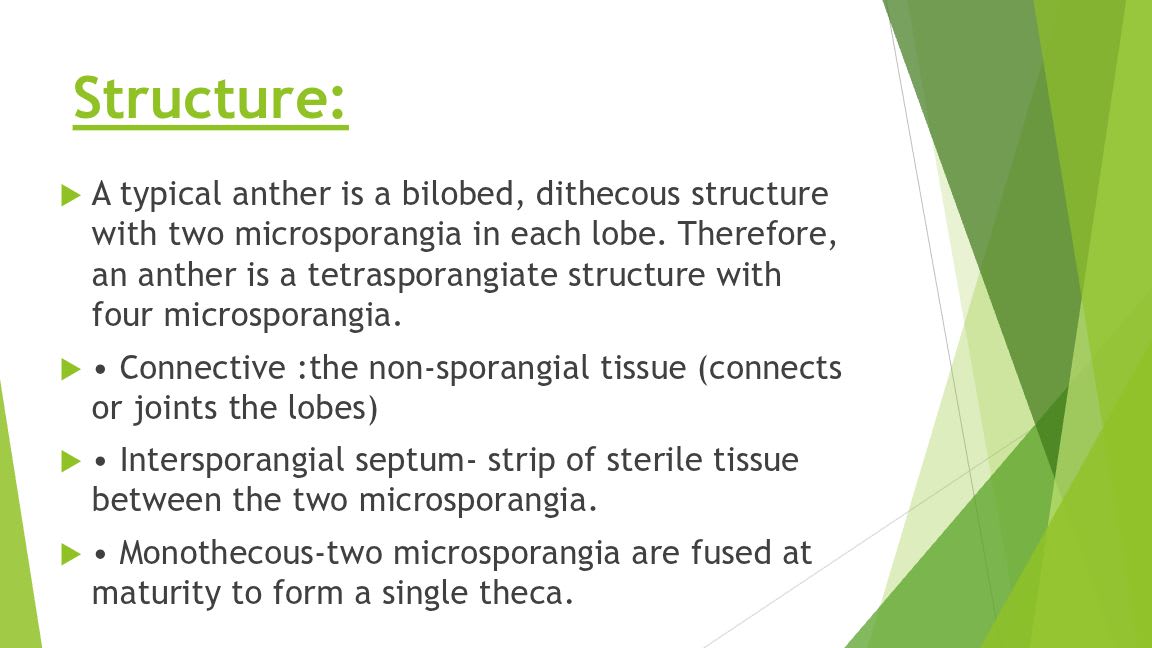
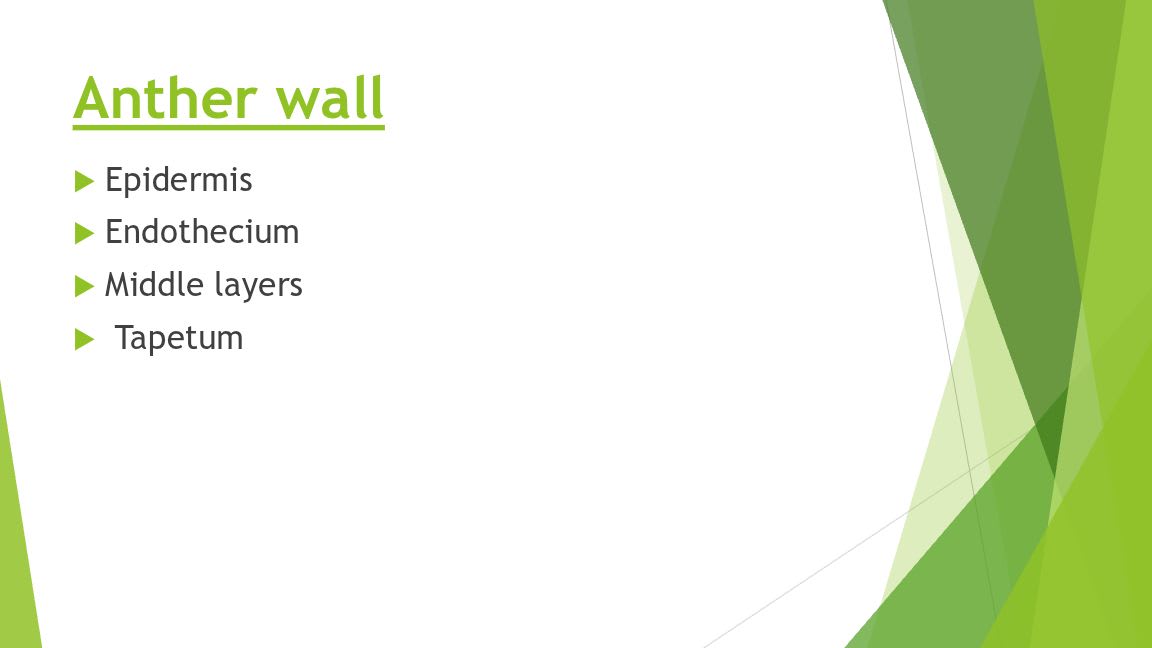
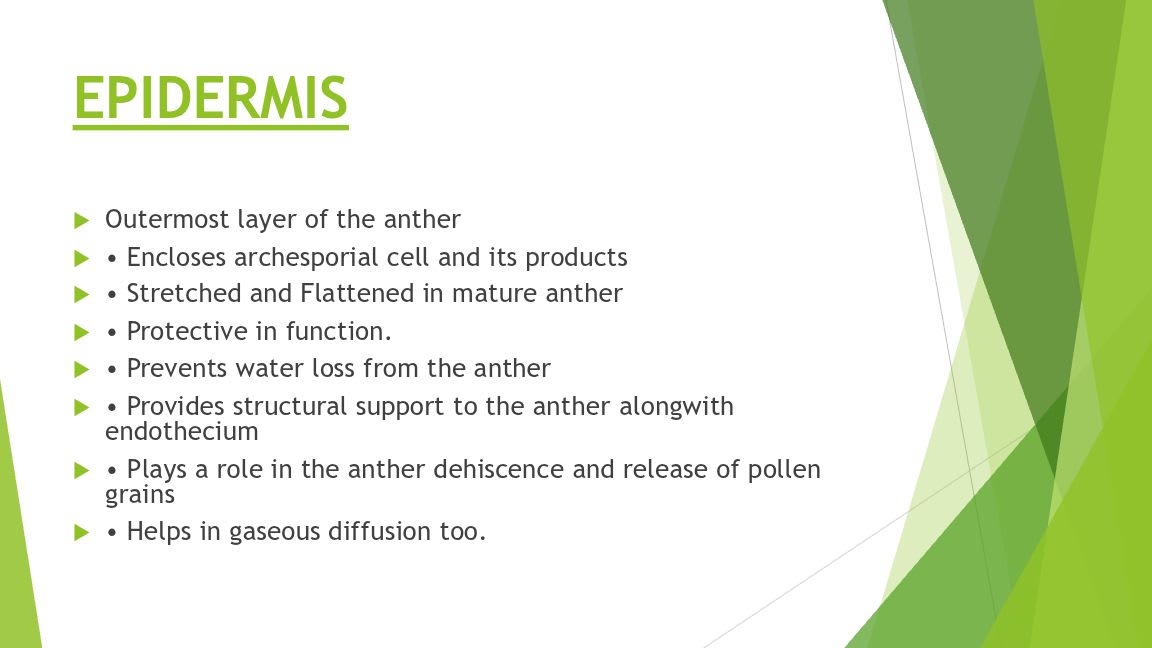
Histologically, the anther wall is composed of four distinct layers: epidermis, endothecium, middle layers, and tapetum, each contributing uniquely to reproductive efficiency. The epidermis serves as the outermost protective barrier, maintaining structural integrity and preventing desiccation of internal tissues.
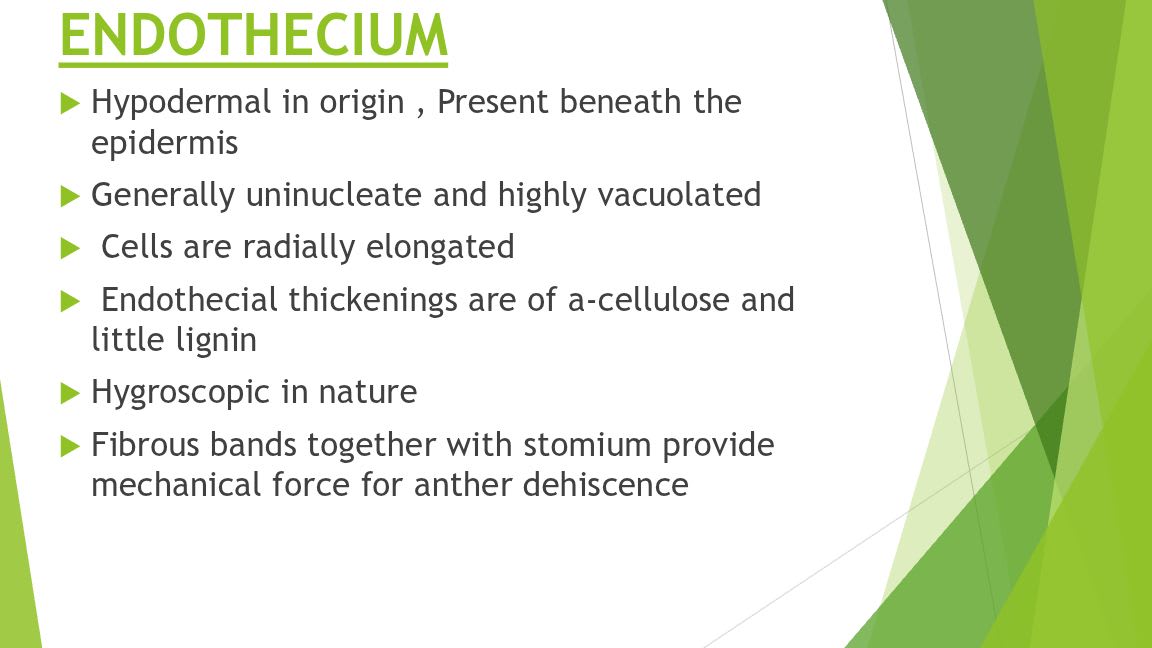
Beneath it, the endothecium exhibits characteristic fibrous thickenings that play a mechanical role in anther dehiscence. This layer facilitates the controlled release of mature pollen grains by generating tension during dehydration, thereby ensuring effective pollen dispersal.
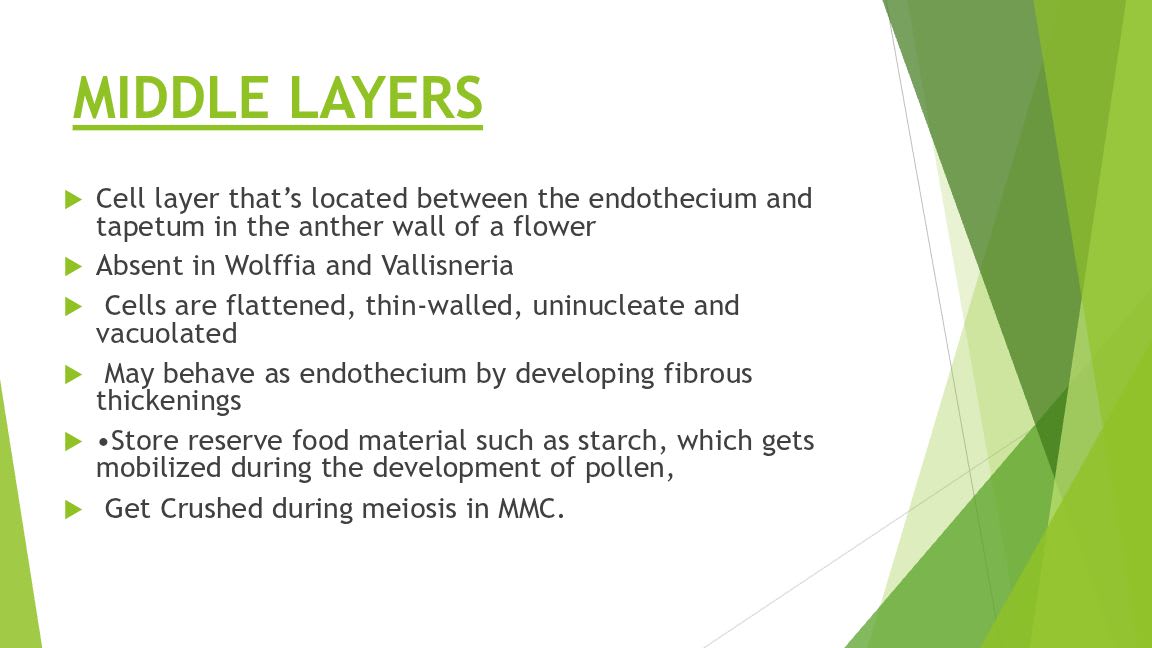
The middle layers, though transient in nature, function as supportive tissues during early stages of microsporogenesis. These layers gradually degenerate, allowing space and metabolic prioritization for developing microspores.
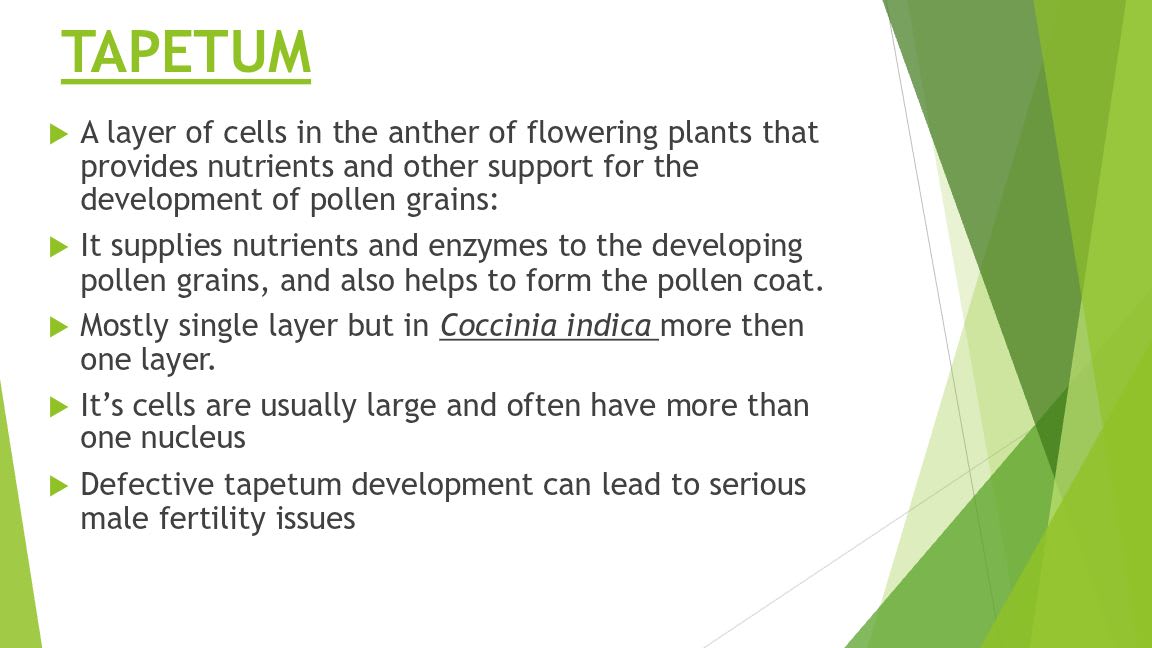
The innermost layer, the tapetum, is metabolically the most active component of the anther wall. It provides essential enzymes, proteins, lipids, and sporopollenin precursors required for pollen wall formation. The tapetum regulates the nutritional and biochemical environment necessary for viable pollen grain development, making it critical for male fertility.
From a functional perspective, the anther wall operates as an integrated biological system that coordinates protection, nourishment, enzymatic support, and mechanical pollen release. Any structural or functional disruption in these layers may lead to impaired pollen viability and reduced reproductive success.
Thus, the anther wall can be understood not only as a structural entity but as a finely regulated physiological interface essential for successful plant reproduction.
— M K Patra

Lecture in Botany


16 slides • 6 months ago
35 slides • 5 months ago

1 slides • 5 months ago

1 slides • 4 months ago