

Data Structures and Algorithms Easy Notes • 7 pages


Learn the basics of Data Structures and Algorithms with easy-to-understand concepts. Explore arrays, linked lists, stacks, queues, and more, alongside key algorithms like sorting, searching, and dynamic programming. Master DSA efficiently to enhance your coding skills and problem-solving abilities.
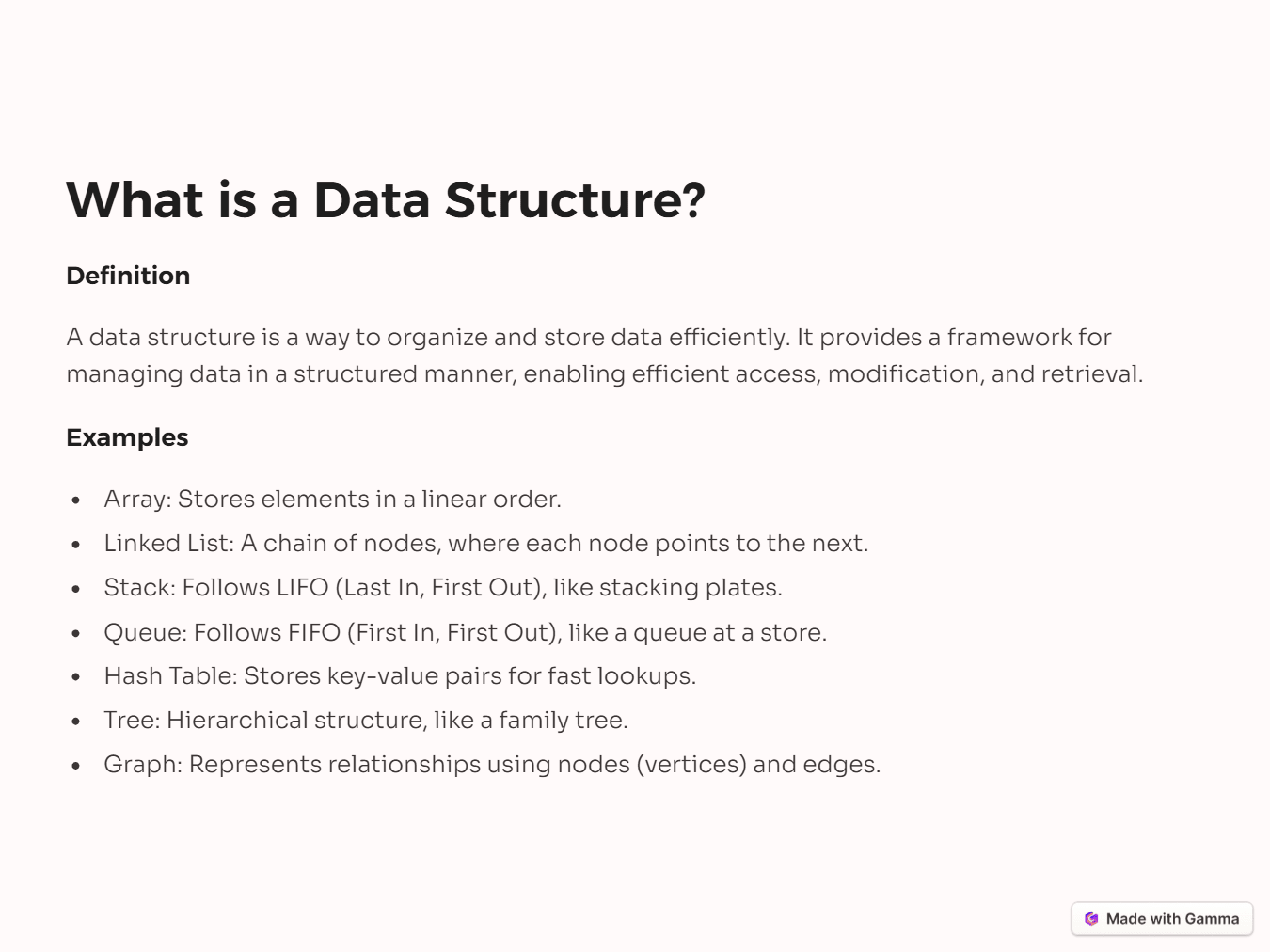
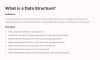
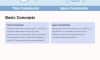
A data structure is a way to organize and store data efficiently. It provides a framework for managing data in a structured manner, enabling efficient access, modification, and retrieval.
Array: Stores elements in a linear order.
Linked List: A chain of nodes, where each node points to the next.
Stack: Follows LIFO (Last In, First Out), like stacking plates.
Queue: Follows FIFO (First In, First Out), like a queue at a store.
Hash Table: Stores key-value pairs for fast lookups.
Tree: Hierarchical structure, like a family tree.
Graph: Represents relationships using nodes (vertices) and edges.
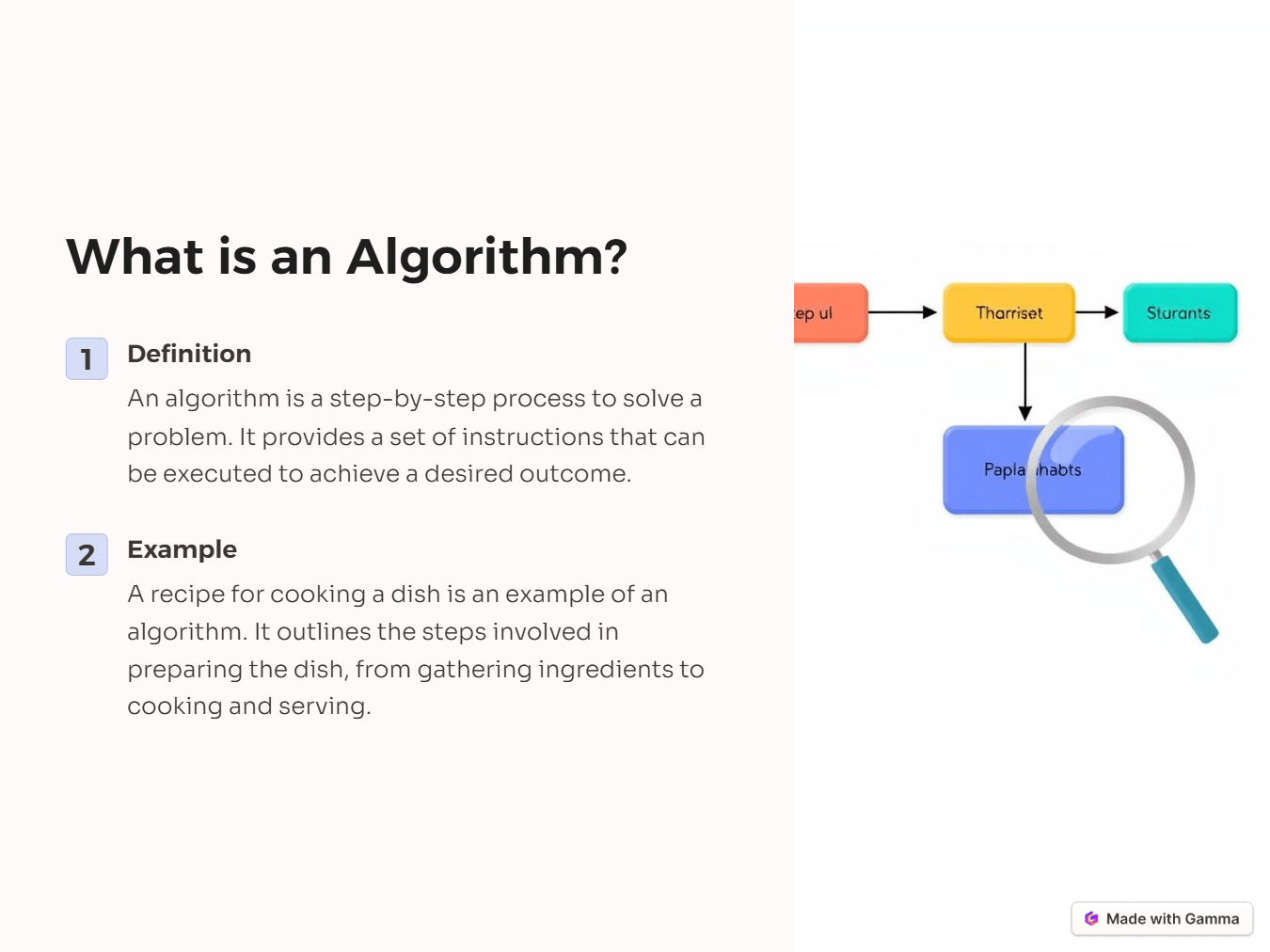
An algorithm is a step-by-step process to solve a problem. It provides a set of instructions that can be executed to achieve a desired outcome.
A recipe for cooking a dish is an example of an algorithm. It outlines the steps involved in preparing the dish, from gathering ingredients to cooking and serving.
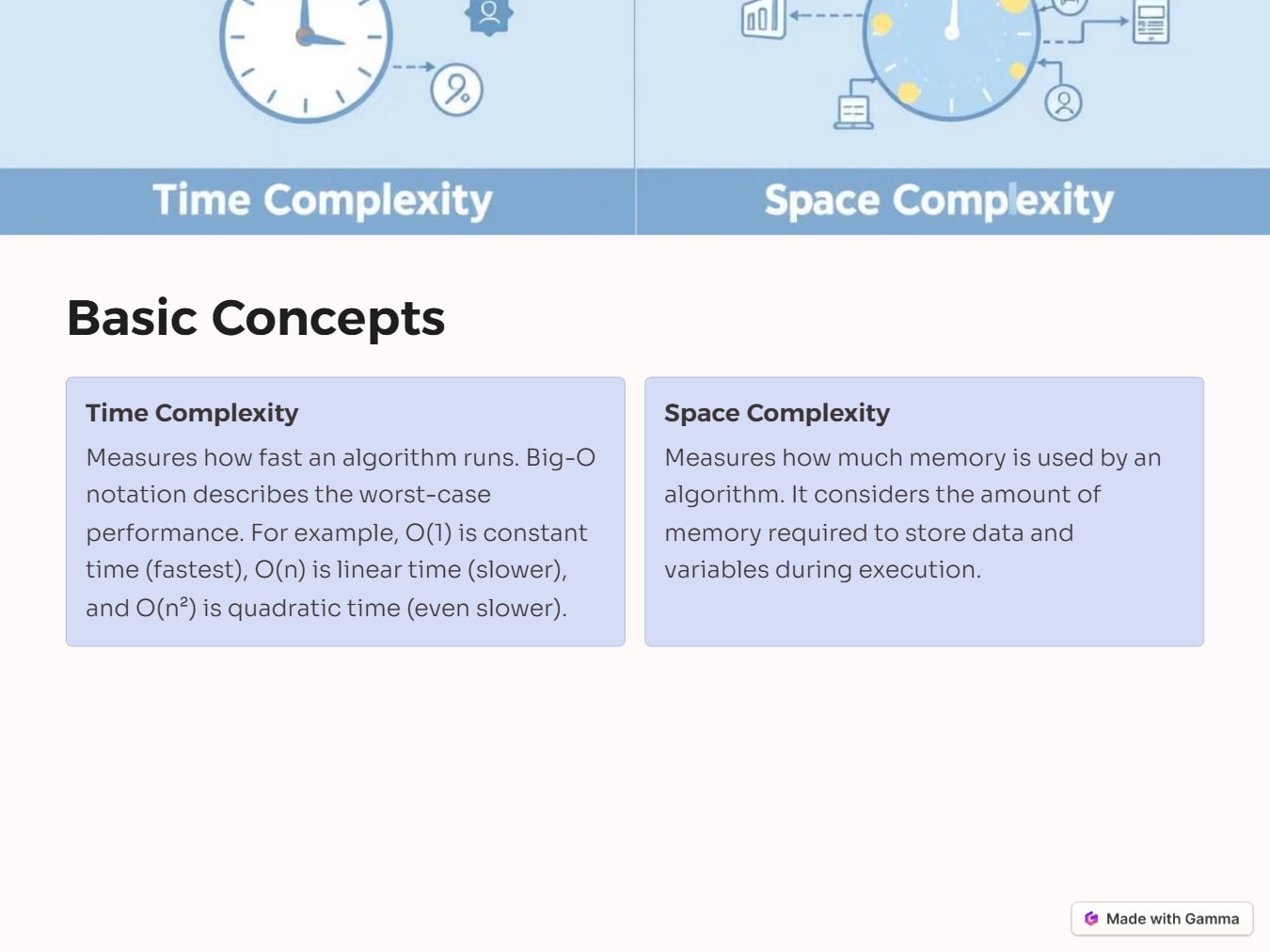
Measures how fast an algorithm runs. Big-O notation describes the worst-case performance. For example:
O(1): Constant time (fastest).
O(n): Linear time (slower).
O(n²): Quadratic time (even slower).
Space Complexity
Measures how much memory is used by an algorithm. It considers the amount of memory required to store data and variables during execution.
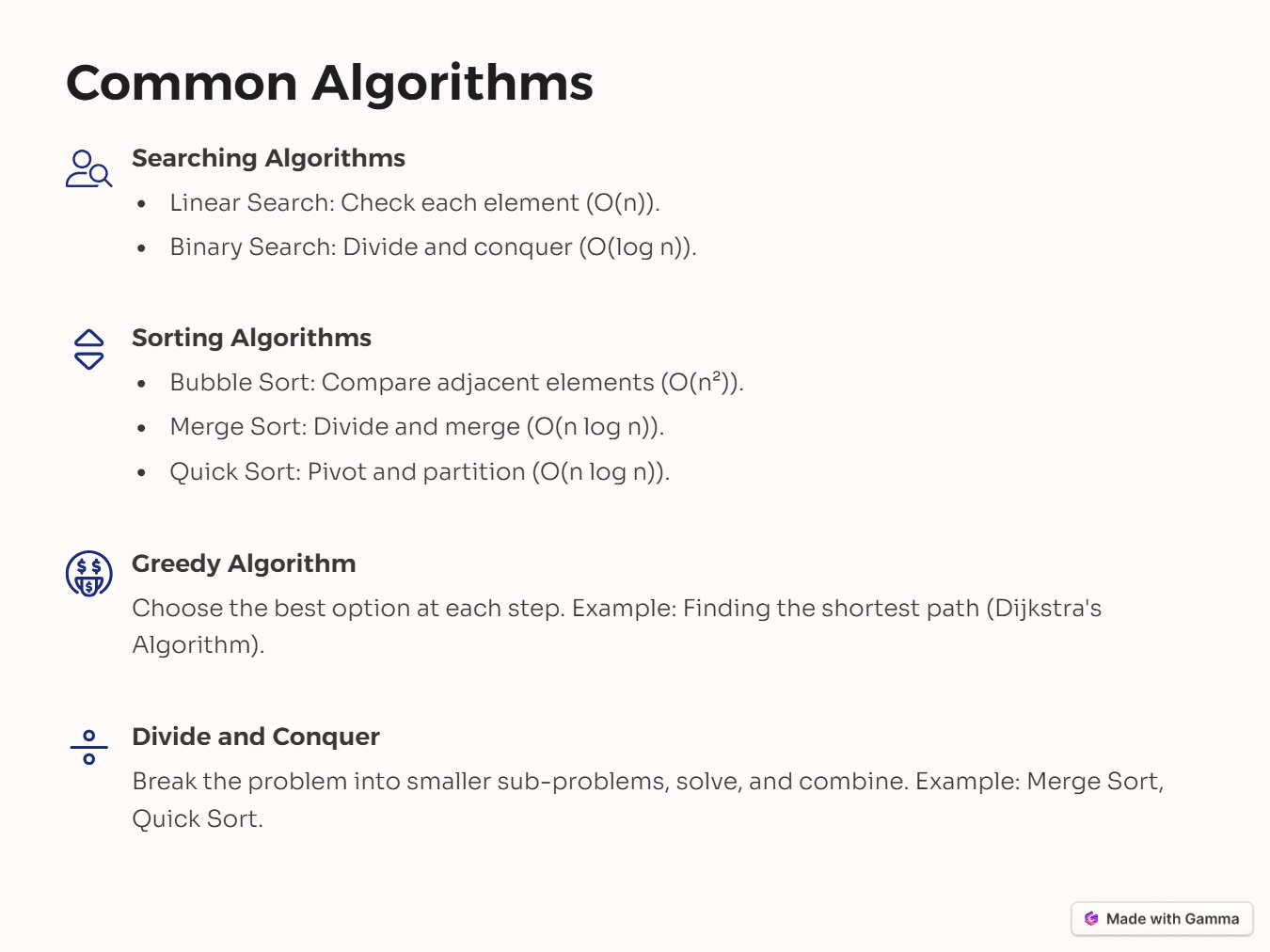
Linear Search: Check each element (O(n)).
Binary Search: Divide and conquer (O(log n)).
Bubble Sort: Compare adjacent elements (O(n²)).
Merge Sort: Divide and merge (O(n log n)).
Quick Sort: Pivot and partition (O(n log n)).
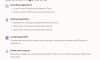
Choose the best option at each step.
Example: Finding the shortest path (Dijkstra's Algorithm).
Break the problem into smaller sub-problems, solve, and combine.
Example: Merge Sort, Quick Sort.
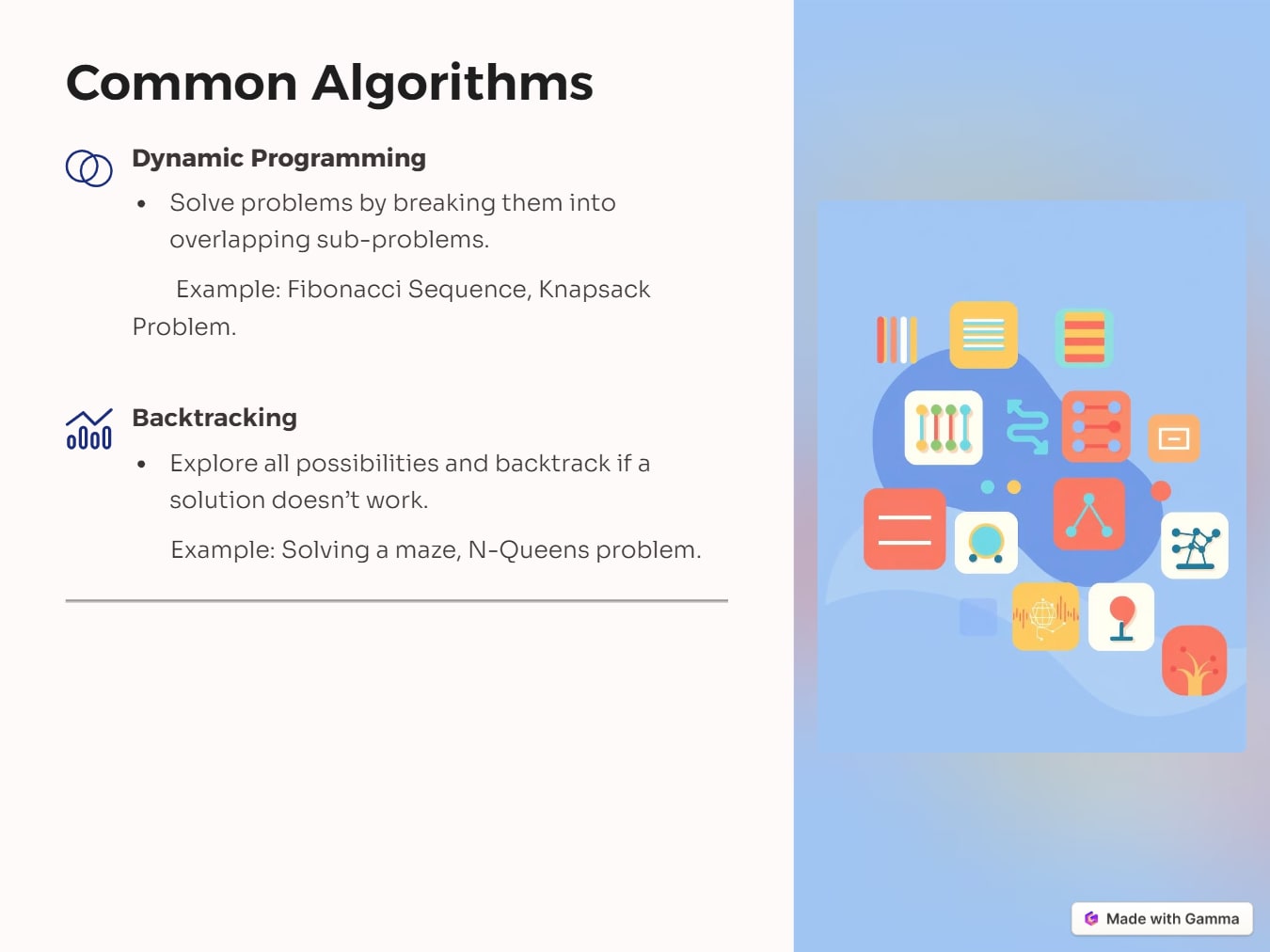
Solve problems by breaking them into overlapping sub-problems.
Example: Fibonacci Sequence, Knapsack Problem.
Explore all possibilities and backtrack if a solution doesn’t work.
Example: Solving a maze, N-Queens problem.
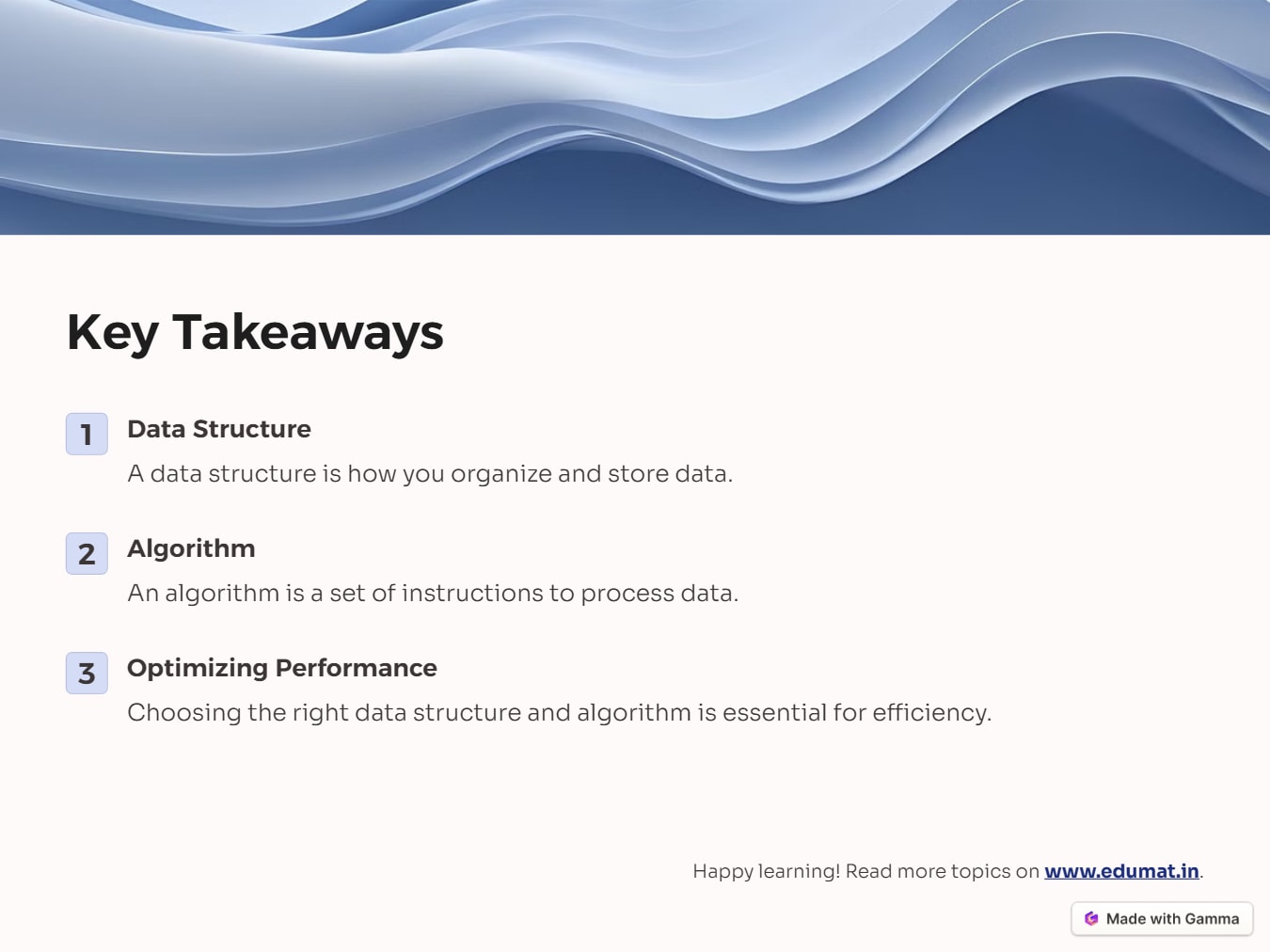
A data structure is how you organize and store data.
An algorithm is a set of instructions to process data.
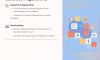
Choosing the right data structure and algorithm is essential for efficiency.
Mastering data structures and algorithms is crucial for efficient problem-solving in programming. From arrays and linked lists to advanced concepts like dynamic programming and backtracking, each tool has its purpose. Start small, practice often, and build your knowledge step by step.

Developer passionate about merging technology and creativity in software, games, websites, and more to create engaging experiences.


6 slides • 8 months ago
9 slides • 7 months ago
6 slides • 7 months ago
37 slides • 6 months ago