Ancient Wisdom vs AI Education: Can the Past Guide the Future of Learning?

In today’s fast-evolving world, education is undergoing a radical transformation. Artificial Intelligence (AI) is reshaping how students learn, think, and grow. At the same time, ancient wisdom traditions—rooted in philosophy, spirituality, and human values—continue to offer timeless insights. So the real question is: Should we choose AI education or ancient wisdom—or can we combine both?
Let’s explore.
What is Ancient Wisdom in Education?
Ancient wisdom refers to knowledge systems developed over centuries through experience, observation, and introspection.

Texts like the Bhagavad Gita, teachings of Socrates, and Eastern philosophies emphasize:
Self-awareness
Discipline and ethics
Purpose-driven learning
Inner peace and mindfulness
These systems were not just about gaining information—they focused on becoming a better human being.
What is AI Education?
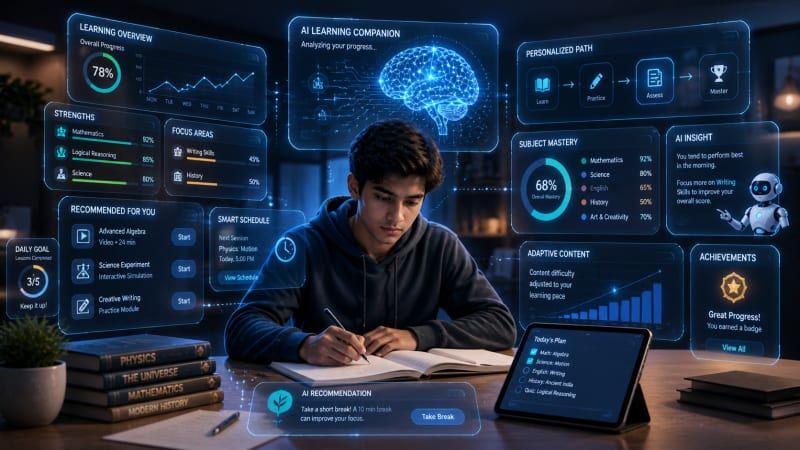
AI education uses artificial intelligence tools to personalize learning. Platforms powered by AI can:
Adapt to individual learning styles
Provide instant feedback

Automate repetitive tasks
Offer 24/7 access to knowledge
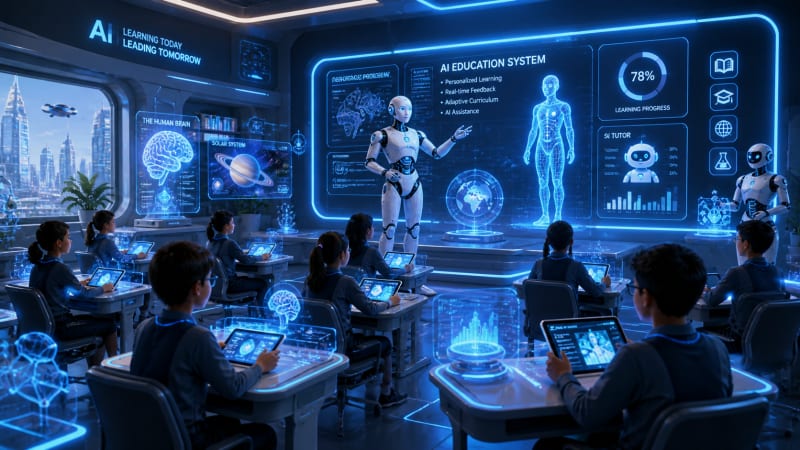
From AI tutors to smart content generation, students today can learn faster and more efficiently than ever before.
Ancient Wisdom vs AI Education: Key Differences
1. Purpose of Learning
Ancient wisdom focuses on self-realization and character building. AI education emphasizes efficiency, productivity, and skill development.
2. Learning Style
Traditional methods encourage reflection, meditation, and deep thinking. AI-driven systems promote fast learning through data and algorithms.
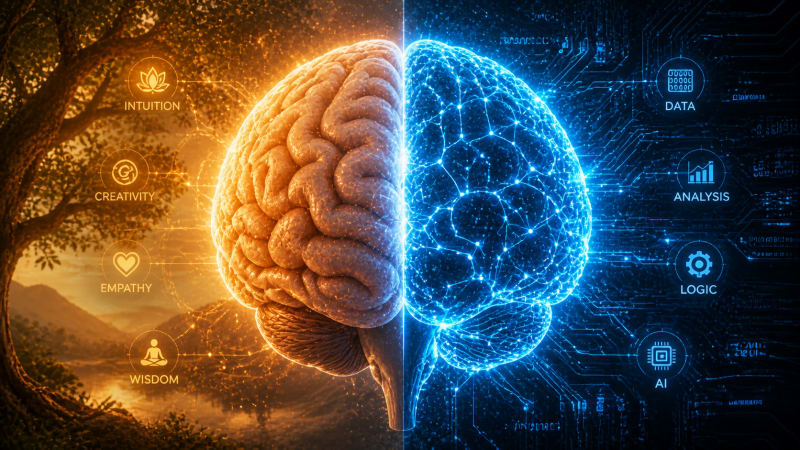
3. Human Connection
Ancient teachings rely on the guru-shishya (teacher-student) bond, while AI reduces dependency on human teachers.
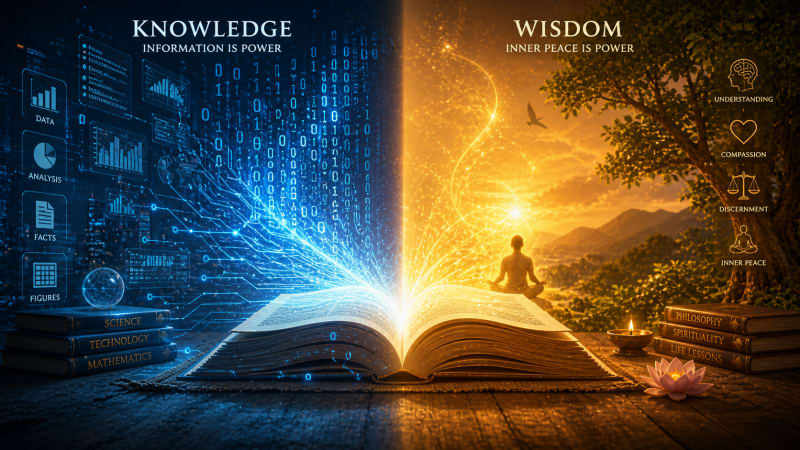
4. Knowledge vs Wisdom
AI provides information, but ancient systems teach how to use that knowledge wisely.
Why Ancient Wisdom Still Matters Today
Even in a tech-driven world, ancient wisdom offers something AI cannot fully replicate: human depth.
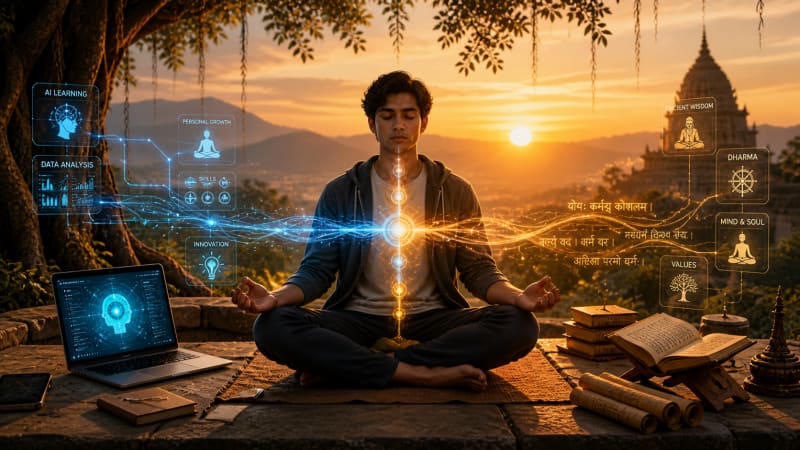
It teaches emotional intelligence and resilience
It builds moral values and decision-making ability
It helps students deal with stress and anxiety
In fact, modern education systems are now reintroducing practices like mindfulness and meditation, inspired by ancient traditions.
Why AI Education is the Future
Let’s be realistic—AI is not optional anymore. It’s already transforming education globally.
Students can learn at their own pace
AI tools reduce study time significantly
Personalized learning improves outcomes
Access to global knowledge is easier than ever
For students and creators (like you building blogs or AI tools), AI is a massive advantage.
The Real Answer: Integration, Not Competition
Instead of choosing one over the other, the smartest approach is to combine ancient wisdom with AI education.
Imagine this:
Using AI tools for faster learning
Practicing ancient techniques for focus and clarity
Building skills and strong character
This creates a balanced learner—someone who is not just intelligent, but also wise.
How Students Can Apply This Today
Here’s a practical approach:
Use AI tools for studying, research, and content creation
Practice meditation or journaling daily
Focus on learning with purpose, not just marks
Apply ethical thinking in digital work
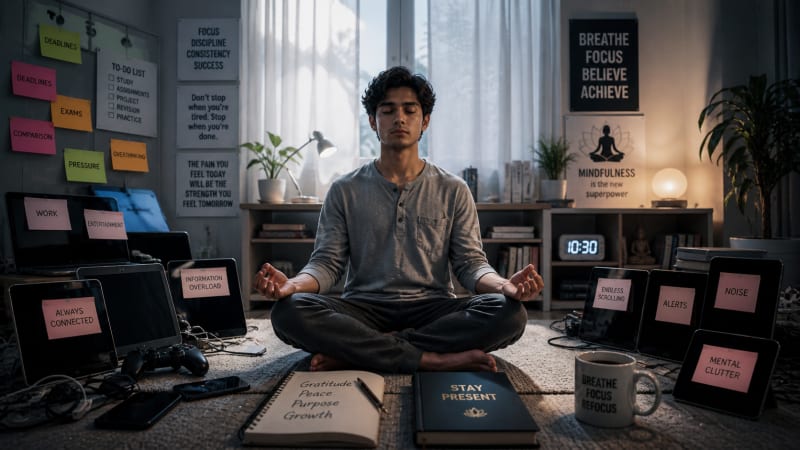
This hybrid model will help students thrive in both modern careers and personal life.
FAQs
1. Is AI education better than traditional learning?
Not completely. AI improves efficiency, but traditional learning builds character. Both are important.
2. Can ancient wisdom be applied in modern education?
Yes. Practices like mindfulness, discipline, and ethical thinking are highly relevant today.
3. How can students balance AI and ancient wisdom?
Use AI for learning and productivity, while practicing self-reflection and emotional control from ancient teachings.
4. Will AI replace teachers?
AI can assist teachers but cannot fully replace the human connection and mentorship.
5. Why is ancient wisdom important in the digital age?
Because it helps students stay grounded, focused, and mentally strong in a fast-paced world.
Conclusion
AI education is powerful, but without wisdom, it can become directionless. Ancient knowledge is deep, but without modern tools, it can feel outdated.
The future belongs to those who can merge intelligence with wisdom.
Because in the end, education is not just about what you know—it’s about who you become.