Microcredentials and Short-Term Courses: Are They Replacing Degrees?

The world of education is changing faster than ever. A few years ago, earning a traditional college degree was considered the safest path to a successful career. Today, employers are increasingly focusing on skills, portfolios, and real-world experience instead of just long academic qualifications.
This shift has pushed microcredentials and short-term online courses into the spotlight. From Google Career Certificates to AI, coding, and digital marketing bootcamps, millions of learners are choosing faster and cheaper alternatives to traditional education.
But the big question remains: Are microcredentials replacing degrees?
The answer is more complex than a simple yes or no.
What Are Microcredentials?
Microcredentials are short, skill-focused certifications designed to teach specific competencies in a limited time. Unlike a traditional 3- or 4-year degree, these programs can often be completed within weeks or months.
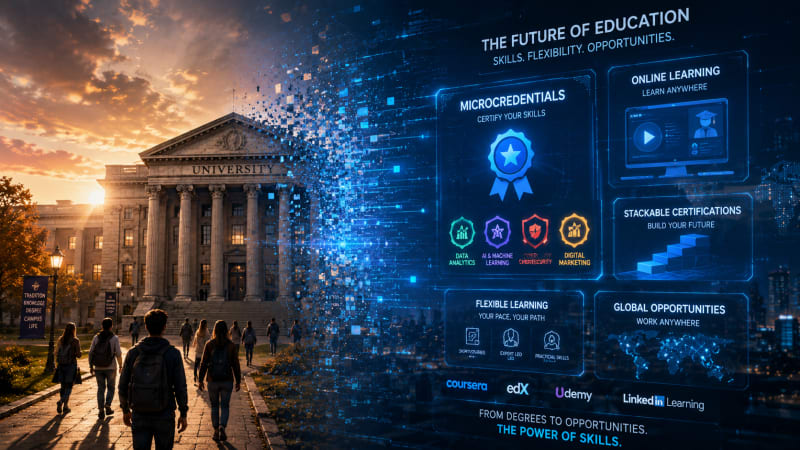
Popular examples include:
Data Analytics certificates
AI and Machine Learning courses
Digital Marketing certifications
UX/UI design bootcamps
Cybersecurity programs
Cloud computing certifications
According to recent OECD higher-education reports, microcredentials are becoming a major part of lifelong learning and workforce development. Governments and universities across many OECD countries are building systems that support flexible and stackable learning pathways.
Why Microcredentials Are Growing So Fast
1. Faster Job Readiness
Traditional degrees often take years. Microcredentials focus only on industry-relevant skills, helping learners become job-ready quickly.
For example, someone can complete a digital marketing certification in 3 months and start freelancing immediately instead of waiting years for a full degree.
2. Affordable Learning
College education is expensive in many countries. Short-term online courses are far cheaper and accessible to a wider audience.

This affordability makes microcredentials especially attractive to students, working professionals, and career changers.
3. The AI and Tech Boom
Technology changes rapidly. Skills learned in college may become outdated within a few years.
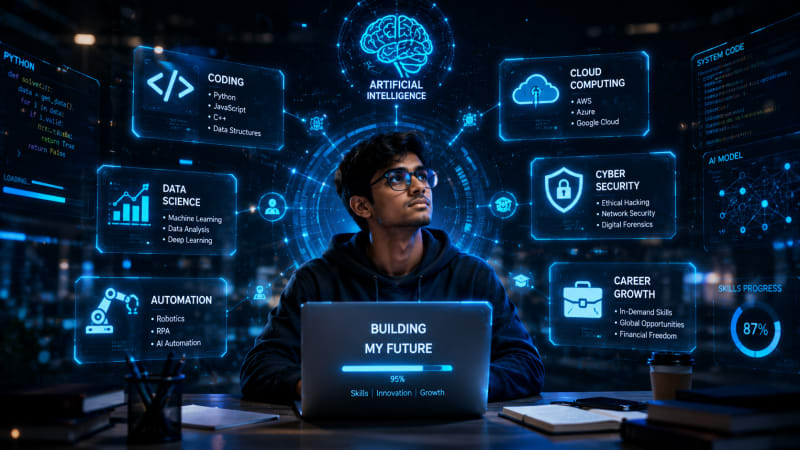
Microcredentials allow professionals to continuously upskill in fast-growing fields like:
Artificial Intelligence
Cloud Computing
Data Science
Automation
Cybersecurity
The OECD has highlighted that AI is reshaping skill demands globally, increasing the importance of flexible and continuous learning.
4. Employers Care More About Skills
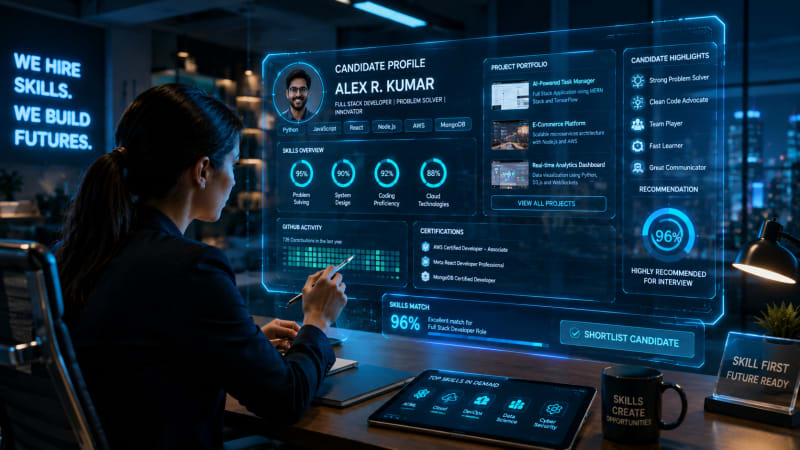
Many companies now prioritize practical skills over academic prestige. Employers increasingly want candidates who can actually perform tasks from day one.

A portfolio, internship, GitHub profile, or certification can sometimes matter more than a university transcript.
Are Degrees Becoming Less Valuable?
Not exactly.
Degrees still carry major advantages, especially in careers like:
Medicine
Law
Engineering
Academic research
Government jobs
Traditional universities also provide:
Deep theoretical knowledge
Networking opportunities
Campus experiences
Long-term career credibility
However, the role of degrees is evolving.
Instead of being the only path to success, degrees are now competing with flexible learning models. Many universities are even integrating microcredentials into their own programs.
The Future: Degrees + Microcredentials Together
The future of education is likely not “degrees versus certifications.”
It is becoming a combination of both.
Experts call this the stackable learning model:
Earn a degree for foundational knowledge
Add microcredentials for specialized skills
Continuously update skills throughout your career
This approach matches today’s fast-changing job market far better than relying on one qualification for life.
For example:
A computer science graduate may add AI certifications later.
A business student may learn digital marketing through short courses.
A teacher may earn online certifications in AI-powered education tools.
This hybrid model is becoming increasingly common worldwide.
The Human Side of This Education Shift
Behind all the trends and statistics, there’s a human story.
Many students today feel overwhelmed by rising tuition costs and uncertainty about jobs after graduation. At the same time, working professionals fear becoming irrelevant in an AI-driven economy.
Microcredentials offer something emotionally powerful: hope and flexibility.

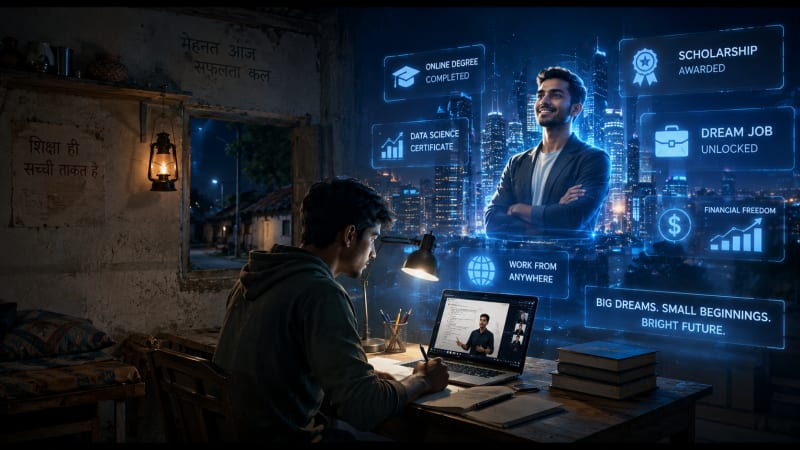
A person from a small town can now learn high-income skills online and compete globally. A working parent can study at night without quitting their job. A student who cannot afford a university degree can still build a career through certifications and real-world projects.
That is why short-term learning is growing so rapidly.
Final Thoughts
Microcredentials are not completely replacing traditional degrees — but they are definitely changing the future of education.
In 2026 and beyond, success will likely depend less on one big qualification and more on continuous learning, adaptability, and practical skills.
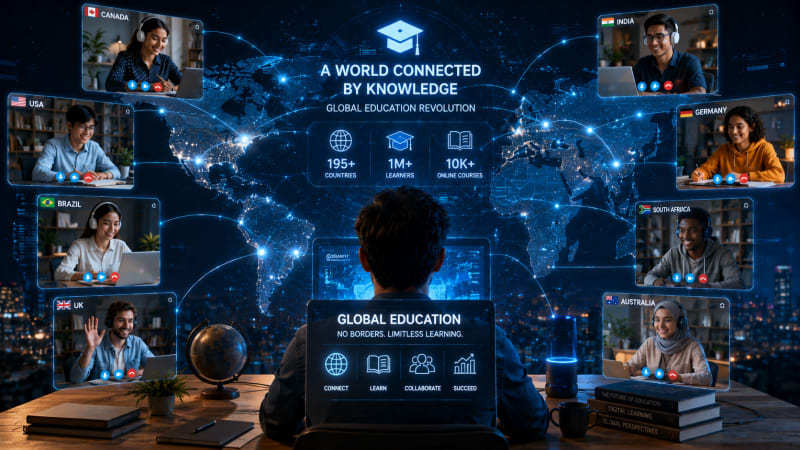
The smartest learners may not be the ones with the longest education, but the ones who keep learning consistently.
And in a world changing this fast, that mindset could become the most valuable credential of all.
FAQs
Are microcredentials worth it in 2026?
Yes, especially in fast-growing industries like AI, cybersecurity, data analytics, digital marketing, and cloud computing. They help learners gain job-ready skills quickly.
Can microcredentials replace a college degree?
For some careers, yes. In tech and creative industries, skills and portfolios often matter more than degrees. However, professions like medicine, law, and engineering still require formal degrees.
Do employers accept online certifications?
Many employers now recognize certifications from trusted platforms and institutions, especially when combined with practical experience and projects.
What is the biggest advantage of short-term courses?
The biggest advantage is flexibility. Learners can quickly gain relevant skills without spending years in a traditional program.
Are universities supporting microcredentials?
Yes. OECD reports show many universities and governments are integrating microcredentials into higher education systems.